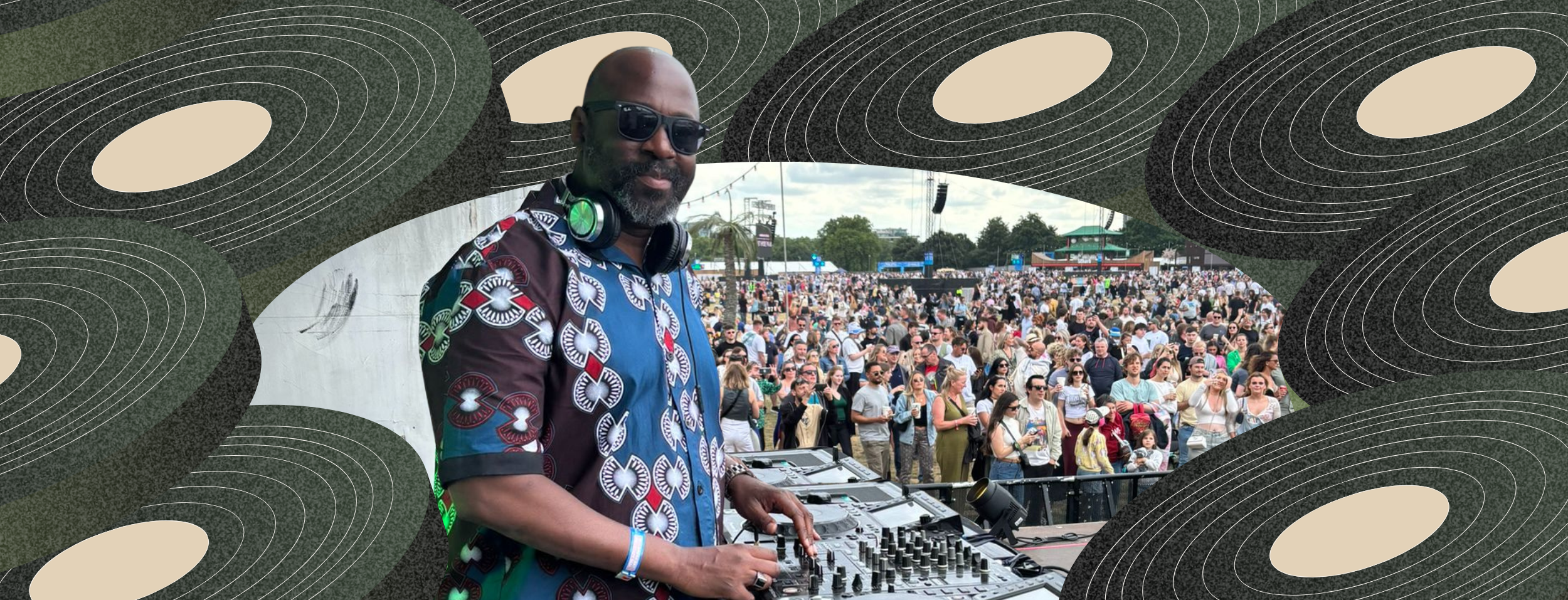
Mr Boogie builds his groove from scratch
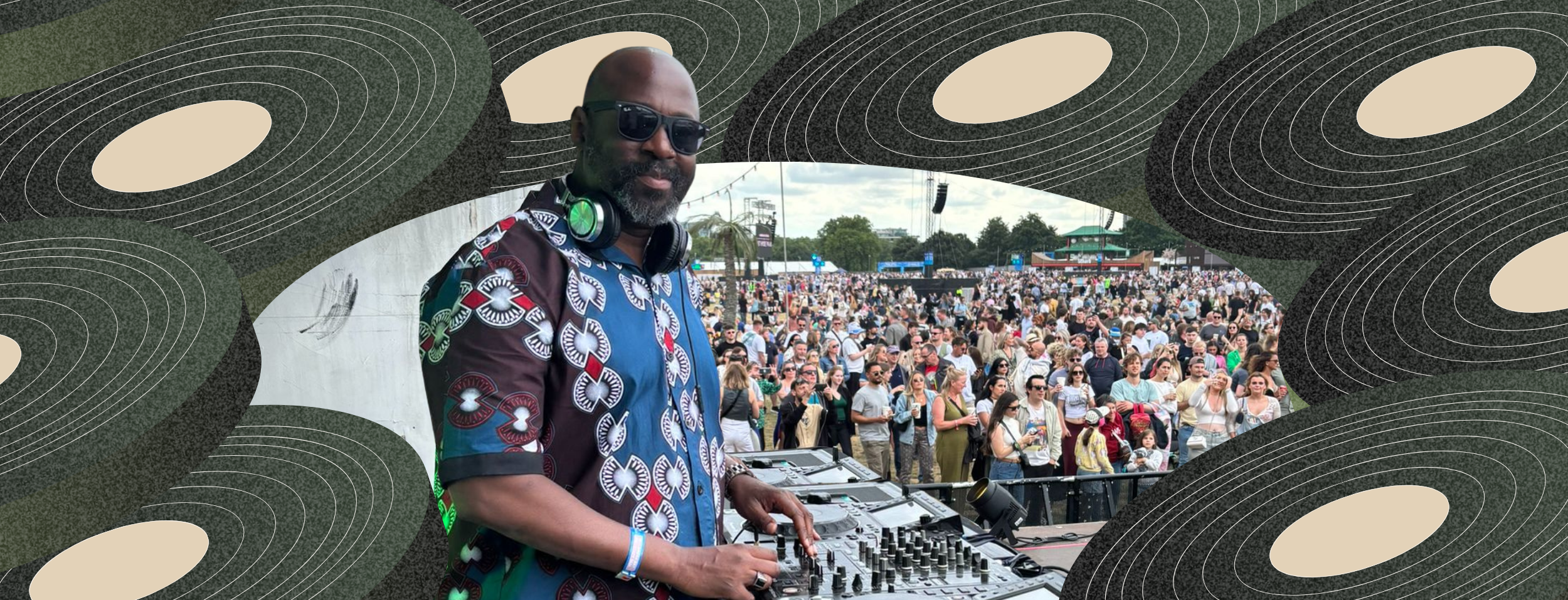
For Mr Boogie, blending comes naturally. At some of London’s illustrious festivals and music venues, the DJ is known to seamlessly mix jazz, Latin, disco, and more in his vinyl sets. And it’s no wonder—his unique catalogue is the result of his Ugandan heritage, a childhood spent in France, and his travels, which have taken him to cities that have broadened his range of musical influences.
Even the name of the brand he uses to promote his work, Soulsa, is a blend of two words: “soul” and “salsa.” “Soul” refers to “the representation of any beat or rhythm of Black origin,” and “salsa” serves to “encapsulate the sonic essence of the Latin diaspora,” he says.
“It’s that cross-pollination of sounds and rhythms that inspired the creation of Soulsa.”
We chatted with Mr Boogie about the serendipitous way he got his start as a DJ, how he found his sound, and his ideal room to DJ in.
Let’s start off with your music origins. Where did your love of music stem from?
Well, I've had a fascination with sound and audio communication from a very young age. Growing up in Paris in the late 70s and the early 80s, music was literally everywhere: on the radio, on TV, and on every other street corner. I just took it all in… from French pop to US and European disco/dance music, from the likes of Chic, Kool & The Gang, Donna Summer, Boney M, and ABBA.
When we moved as a family to Senegal in West Africa in the early 80s, I was exposed to more polyrhythmic genres that were popular all over the continent, like mbalax, Afrobeat, highlife, soukous, and zouk. Those were happy days! 🙂
Have you always been drawn to music?
Oh, yeah. Most definitely. Music pretty much appealed to my senses from day one. One of my most prized possessions as a young child was a Fisher-Price cassette player. I played that thing all the damn time, which must have really annoyed my parents...ha ha ha.
How did you get into DJing? When did you first start?
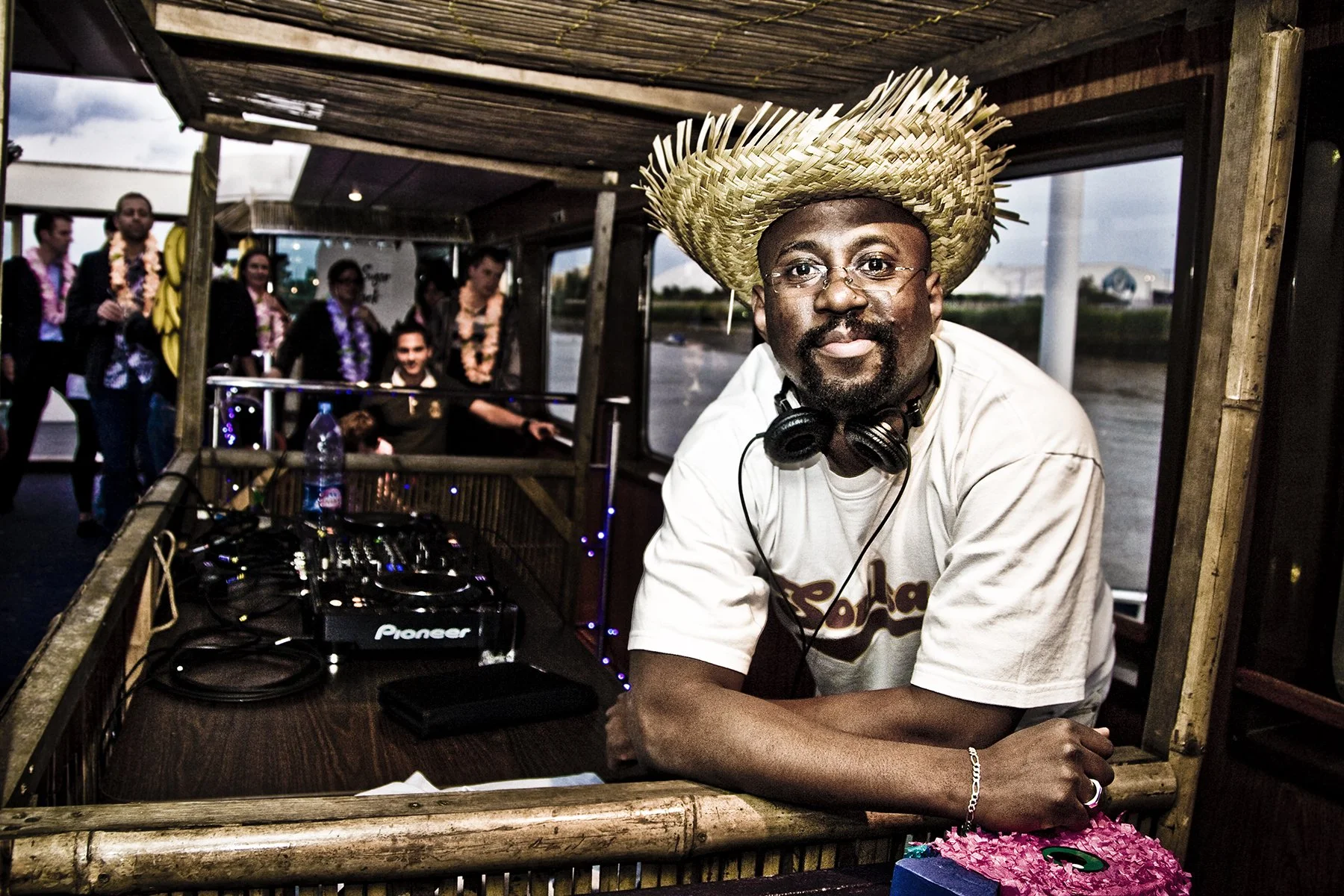
I actually became a DJ by accident, as opposed to by design. Funny story: A friend of mine called Paul and I started Soulsa in 2005. He and I originally set out to be classic New York salsa promoters. We both had regular 9-to-5 jobs for years. It wasn't even about the money in the beginning. It was just about the music and having fun outside of our working lives.
We were both fond of artists like Eddie Palmieri, Celia Cruz, Ray Barretto, and the legendary Fania label (which was to salsa what Motown was to soul during its heyday in the 1970s and early 1980s). But at the time, very few bands and DJs in London played that particular brand of salsa and Latin music.
When the DJ we booked for one of our earliest parties failed to show up, Paul and I jumped on the decks and gave it a go. The feedback we received that night gave us the confidence to do it more regularly. Before we knew it, we managed to secure a weekly residency at a popular club called Bar Rumba in central London. After about a year or so, we were getting gigs in other venues around London. The rest, as they say, is history…
How did you find your sound?
It took me a fair few years to find my sound. When I started out as a DJ, I used to check out quite a few of the DJs I looked up to regularly and studied their selections and transitions. I'm referring to DJs like Patrick Forge, Femi Fem, Theo Parrish, Gilles Peterson, as well as Paul “Trouble” Anderson and Phil Asher, may they both rest in peace.
My initial goal was to copy them, but on the advice of a good friend of mine, I decided to focus on my own style and draw on the sounds and rhythms that I love, like jazz, Latin, Brazilian grooves, music from all over Africa, disco, and house.
For the most part, I try to play music that will make you want to dance or at least smile. I'd like to think that I'm a positive person, and the music I play is very much a reflection of my personality.
You use vinyl records, as opposed to digital music, for most of your sets. What is it about vinyl records that you love?
Just so you know, I'm not against the digital format, per se. It's just that records are tangible as well as tactile. It's the beauty of the artwork on the album covers, the warm, earthy sound of vinyl, the crackly and popping noises, etc. It's such an immersive experience. You just don't get that from MP3 files.
When you’re looking for records or music to work with, what elements are you looking for in a song?
Oh, wow. That's a really good question. First and foremost, I need to feel emotionally connected to the song I choose to play. Some of the other elements I look for are a memorable hook, a gorgeous melody, and a fantastic arrangement. A killer bassline will also get my attention. More importantly, however, a song has to have rhythm. That's just the African in me...ha ha ha.
How do you come up with a set for an event? What’s your thought process behind choosing your songs, choosing the setlist?
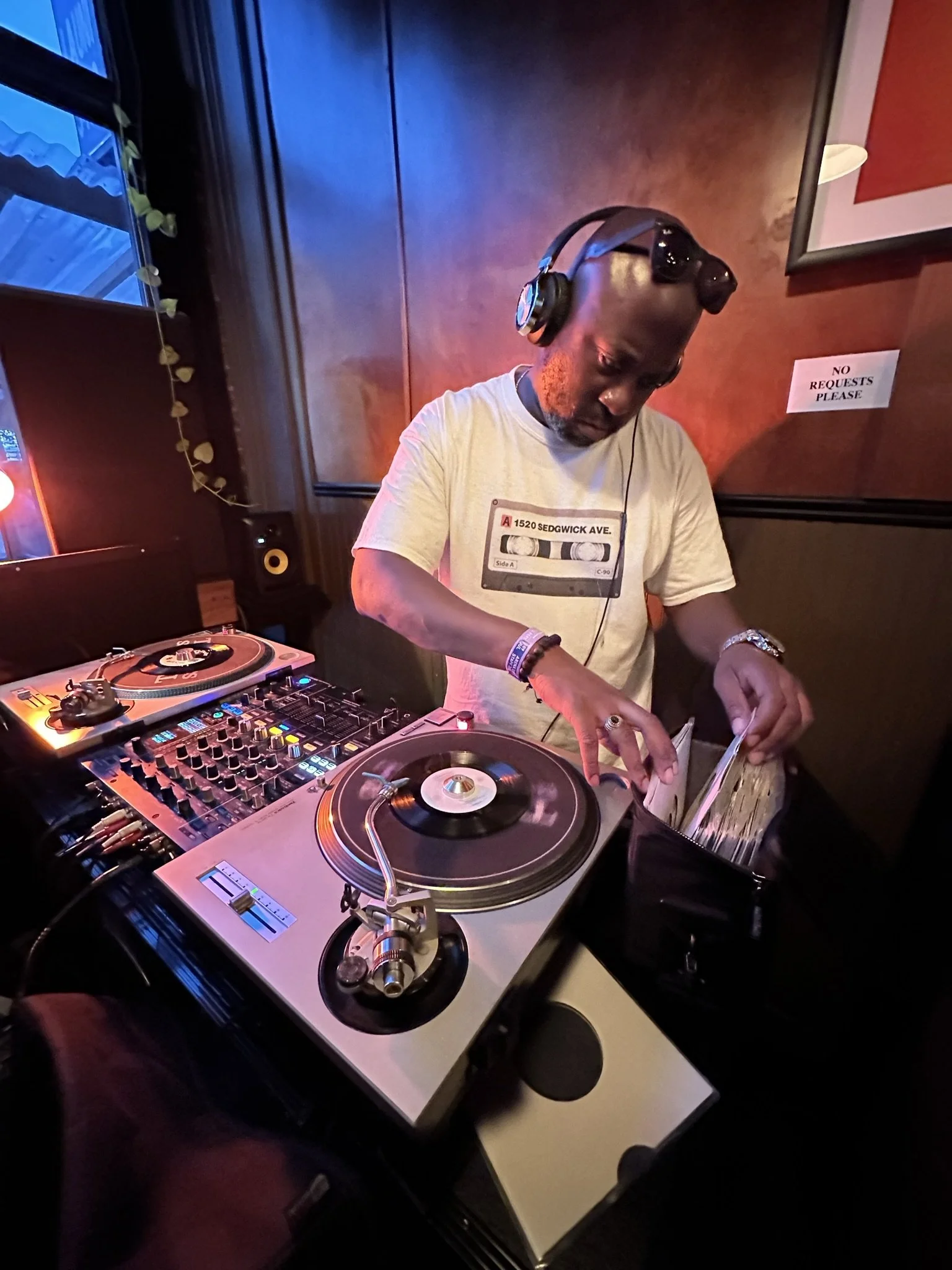
In my early years, my DJ sets were admittedly pre-selected. As I became more experienced behind the decks, I gained the confidence to adopt a more "off the cuff" approach. When I'm deejaying to a listening crowd, my mood tends to dictate what tunes I play, but I do also try to read the room.
Spinning to a dancing crowd, however, is a completely different animal. When folks really want to get their groove on, they will let me know what they want to hear, either verbally or with their feet. Regardless, there is still some planning and preparation required before every set. Rather than focus on specific tracks, I'm much more concerned with genres. If I'm deejaying at an underground party for proper music heads, for instance, I allow myself to experiment a lot more. I might go left field with a few obscure Latin records or deep, down, and daring with some dirty disco or percussive Afro house.
You’ve said that you’re inspired by the spirit of 60s and 70s Spanish Harlem. What is it about the New York City neighborhood that inspires you?
Well, in Spanish Harlem (or El Barrio as it is called in Spanish), in the 60s and the 70s, Blacks and Latinos lived side by side and greatly influenced each other musically. In the sense that you would hear James Brown at a Latin block party or Boogaloo from a band like Joe Cuba Sextet at a Black block party. It's that cross-pollination of sounds and rhythms that inspired the creation of Soulsa. Soul represents Black music and Salsa represents Latin music. Put them together and you get Soulsa!
You’ve also traveled around the world, including cities like Havana and Lagos. What other cities have you been to and how have they influenced you?
I've been to both Buenos Aires and Istanbul a couple of times. Buenos Aires is where Latin America meets Europe and Istanbul is where Europe meets Asia, which makes them both really magical cities. I've also travelled around Africa and the Middle East. Visiting so many places all over the world has encouraged me to continuously expand my musical palette.
My favourite city to visit, though, has to be New York. So many of the genres I love, like jazz, hip-hop, Latin, and house music, all have a spiritual home in The Big Apple.
What is your favorite event you’ve DJed?
I get to deejay at a major London festival called BST Hyde Park every summer and I ab-so-lu-te-ly love it!
I love BST Hyde Park Festival because I get to go on stage with the beautiful Samba Girls from Brazil. I also get to hang out backstage with a popular crew of DJs and dancers who call themselves the Cuban Brothers. They're not Cuban, they're not brothers, but they're absolutely hilarious and they really know how to rock a crowd.
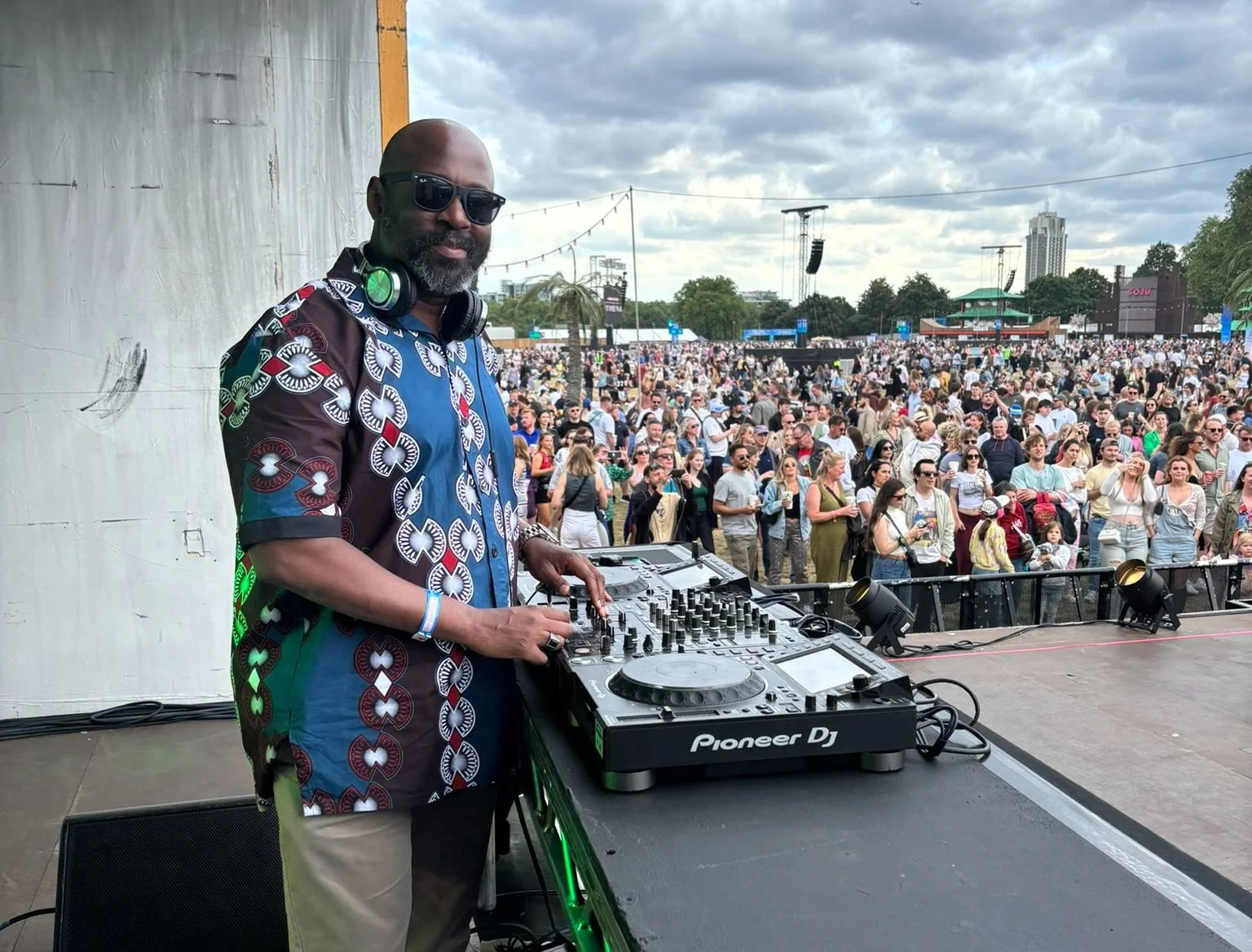
The festival is during the middle of summer in London, the weather is gorgeous on most days and all of us performers are just one big happy family. I've been doing BST Hyde Park for seven years now and it's always a blast. Fingers crossed, I'll get to do it for the eighth time this summer.
Describe the perfect room you’d love to DJ in. Where is it? What’s the crowd like? What kind of records are you spinning?
I prefer deejaying in an intimate setting where I'm up close and personal with the audience, and they have space to dance. My goal is to take the crowd on a musical journey.
I usually like to start off slow and progressively increase the tempo. I try to play a mixture of songs that the crowd would recognize and songs that they wouldn't have heard before. I'm also a sucker for re-edits, remixes, and covers. My ideal set would include jazz, Latin, funk, soul, African rhythms, Brazilian grooves, disco, and either deep or soulful house.
Fun fact: I almost always start my set with a bit of Latin. It's a nod to my early years as a DJ when I only played classic salsa from New York.
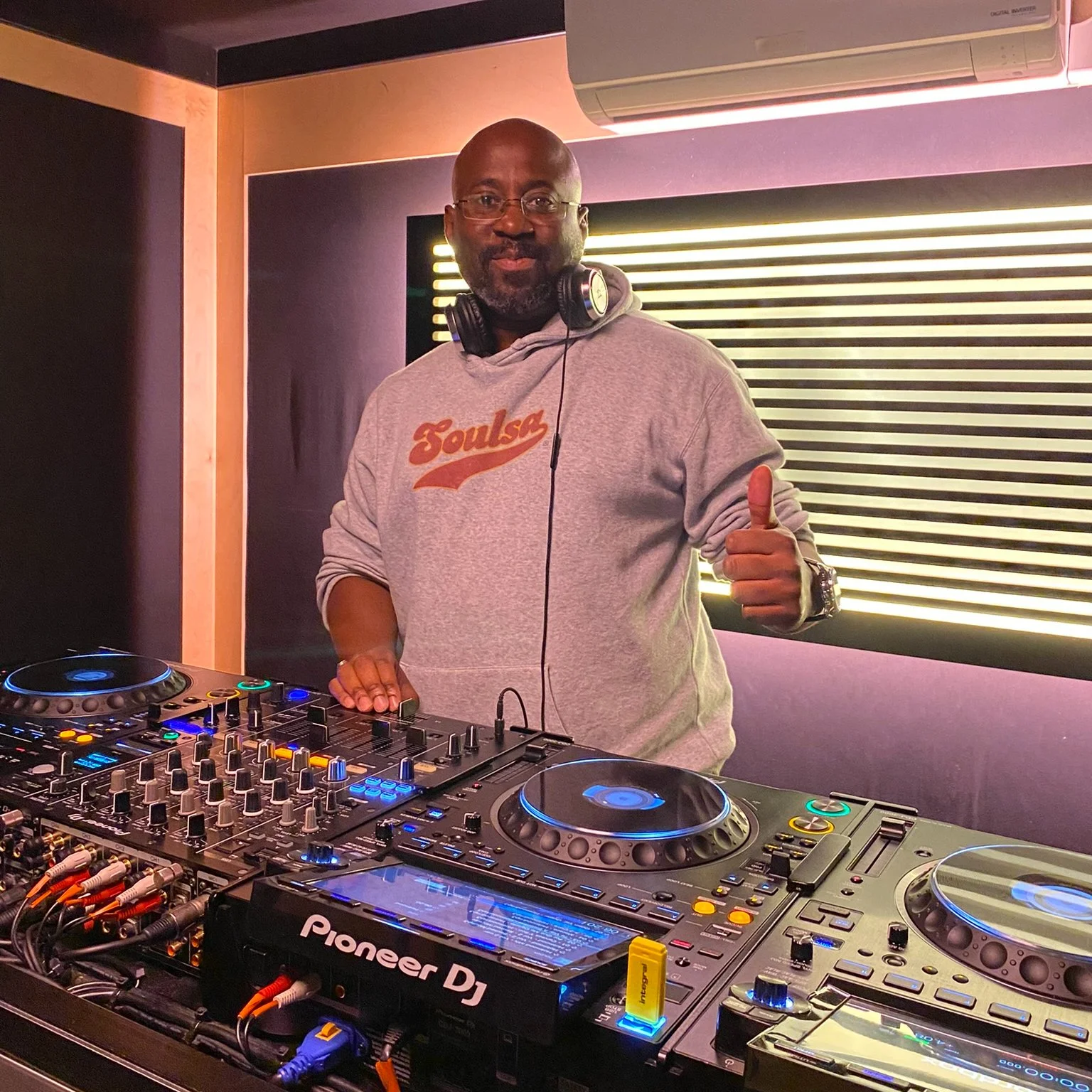
Can you talk a bit about DJs Against Street Poverty (DASP)? What drew you to found this organization?
I launched DASP with a friend and fellow DJ called Dave in 2020, about six to seven weeks before lockdown. Dave and I just happened to have a conversation about how many homeless people there were on London's streets, and I had a light bulb moment out of the blue. I said to Dave, "Wouldn't it be great if we used deejaying to raise awareness about homelessness in the city?". Both of us had decent paying jobs at the time, and felt extremely blessed to be earning extra money on the side doing something we love. That's pretty much how DASP came about.
We perform for free at street poverty fundraisers, and we try to encourage other DJs to donate a small percentage of their wages towards a homeless support service of their choice.
How does it scratch a different itch than DJing?
It's pretty much an extension of what I do as a DJ and a music events promoter. When I run events and spin records with my DASP hat on, I feel I'm doing it for a good cause. I'm basically using music as a force for good.
You’ve been DJing for a while now. What changes have you seen in the industry?
When I started deejaying in 2005, the only formats around were vinyl and CDs. The rise of the digital format has made it easier for anyone to become a DJ, and the market right now feels saturated. The competition is so much fiercer nowadays.
To set myself apart, I go on instinct. With experience, you learn to trust your judgement. More importantly, I try to do my due diligence before deciding on whether or not I should play at a particular venue. It saves me from having to compromise my style and sound.
As a DJ, you really have to stay true to yourself if you want to set yourself apart. It sounds cliché, but no one else can be you.
. . .
Discover Mr Boogie’s mixes on Soundcloud and listen to Melting Pot, his monthly music show, on Mixcloud.
Here are Mr Boogie’s 12 songs.
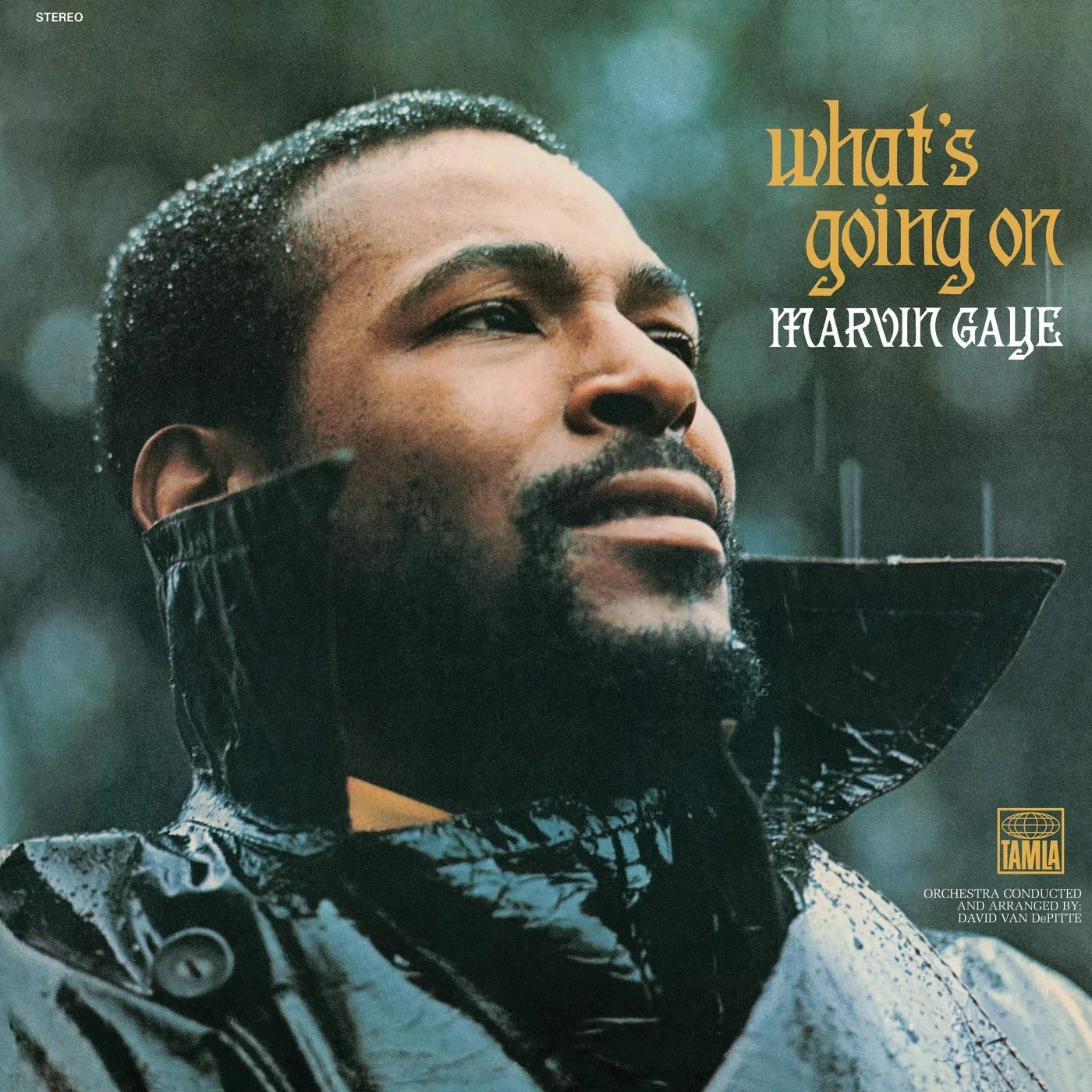
“What's Going On” by Marvin Gaye
“What's Going On” by Marvin Gaye is one of my all-time favourites. The first time I heard it, I was struck by how emotive and evocative a song it was. The lyrics have so much depth and are both complex and accessible all at once. For me, “What's Going On” is a pertinent question for the human race and a plea for peace. The tragedy about it is that it is as relevant today as it was when it was first released, back in 1971 during a period of turbulent social and political upheaval (the Vietnam War, the American Civil Rights Movement, the beginning of the end for the hippie counterculture, etc).
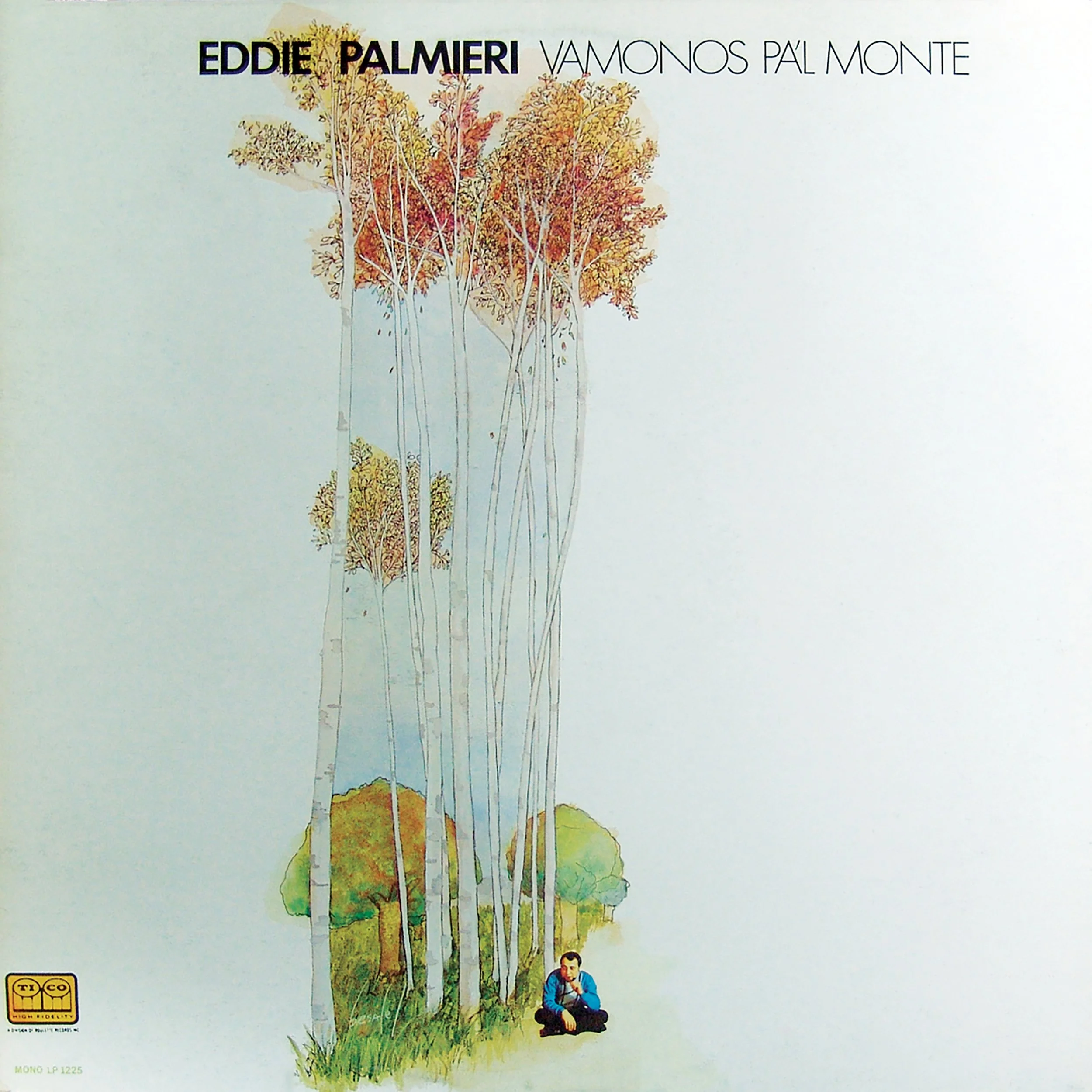
“Vamonos Pa'l Monte” by Eddie Palmieri
My parents moved to New York in the spring of 2001 and one day that summer, my brother and I happened to be walking around downtown Manhattan. He and I came across a Latino guy blasting “Vamonos Pa’l Monte” out of his boombox. We were both instantly drawn to the track, and I felt compelled to buy the CD from him. That very moment signalled the start of my long-running love affair with classic New York salsa and Latin music in general.
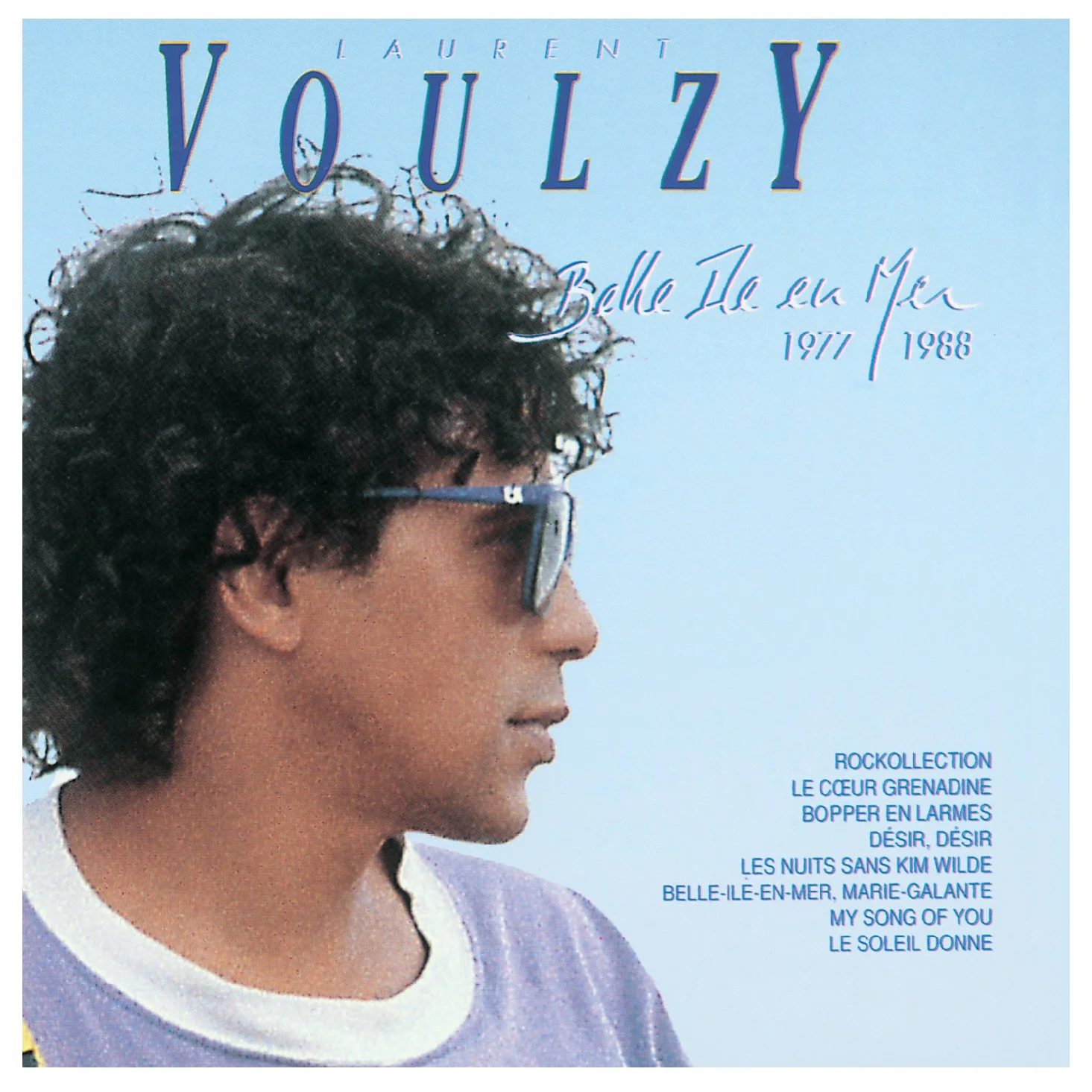
“Rockollection” by Laurent Voulzy
This song takes me back to my early childhood in Paris in the late 70s. It was a big hit in France back then and was on rotation on the radio for months. Every time it comes on, I can't help but smile. For the benefit of those of you who don't speak French, it's a throwback song about going back in time to the Swinging Sixties! 🙂
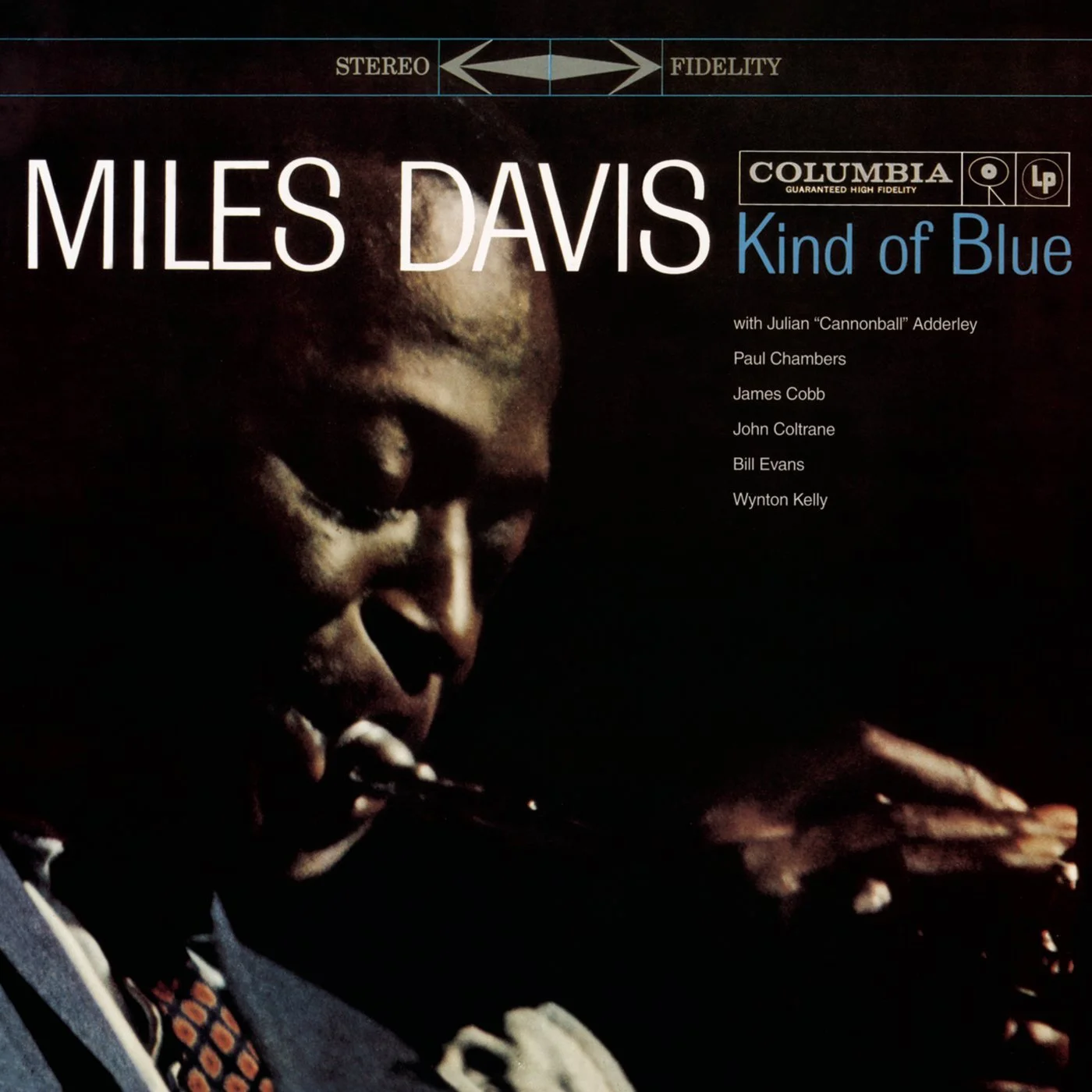
“So What” by Miles Davis
I was introduced to “So What” via a hip-hop reinterpretation by the late, great British guitarist Ronny Jordan. I remember buying Ronny's record, looking at the song credits, and seeing the name "M. Davis" next to it in brackets. I was intrigued and after doing a bit of digging, I found out that "M. Davis" was actually Miles Davis. This led to me borrowing a copy of “Kind of Blue” on CD from my local library. I must have been about 15-16 years old at the time, and Miles's own version of “So What” got me hooked to jazz.
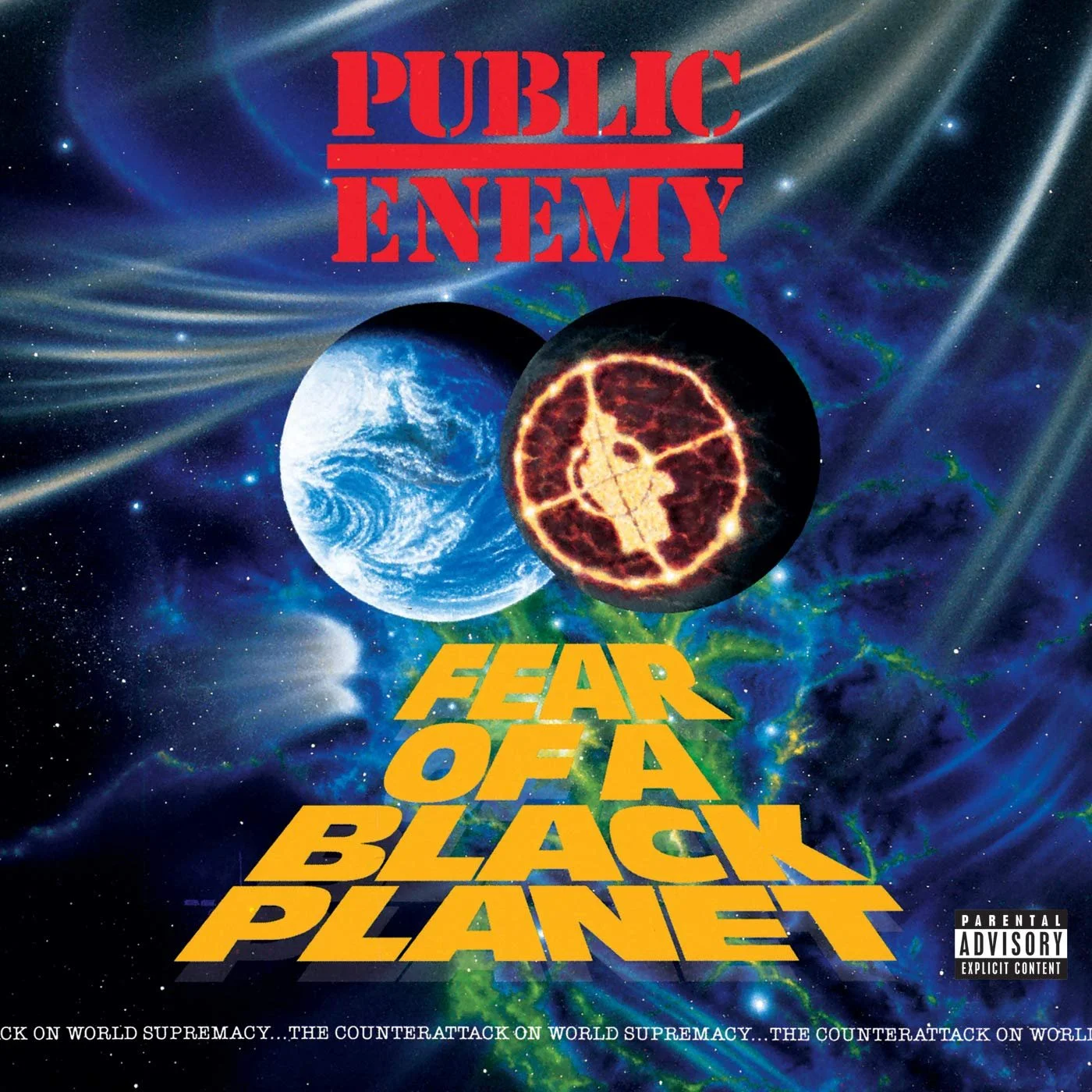
“Fight The Power” by Public Enemy
I feel incredibly blessed to have grown up during the golden era of hip-hop. I was a huge fan of the genre and for me, Public Enemy was up there as one of the very best. The message in their music (institutional racism, white supremacy, and the power elite in America, as well as the celebration of Afrocentrism) spoke to me and awoke my social consciousness. Their lyrics informed me about the struggle of people who looked just like me in the US. In the late 80s and the early 90s, Public Enemy was the "CNN of Black America" and “Fight The Power” was the ultimate protest song.
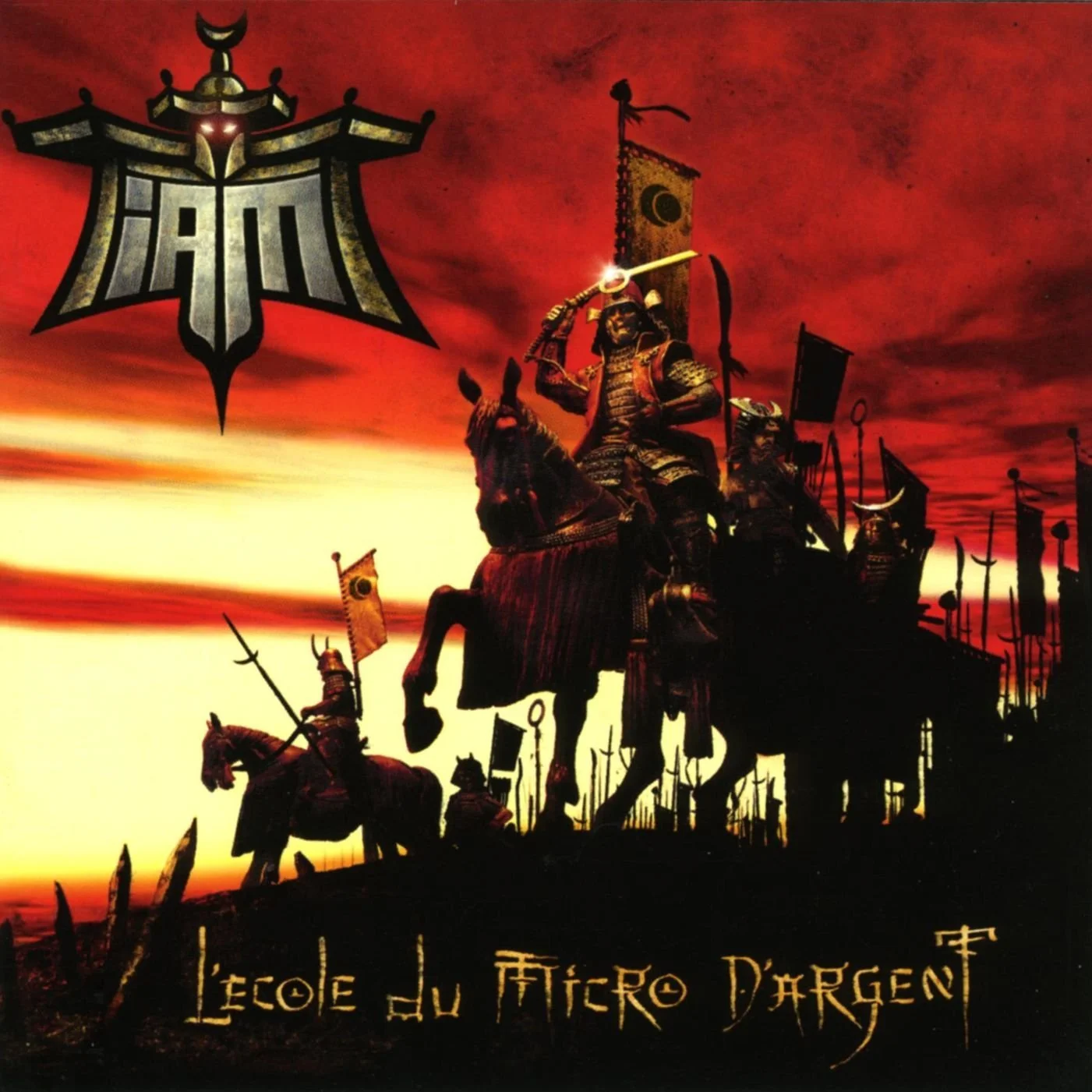
“Demain, C'est Loin” by IAM
To most French hip-hop aficionados of my generation, IAM is easily the best group to have come out of my country of birth. “Demain C'est Loin” depicts the difficulties of daily life for young Blacks and Arabs in the city of Marseille in southern France. The track is 9 minutes of lyrical genius, unapologetically raw but also a bona fide masterpiece that stands the test of time.
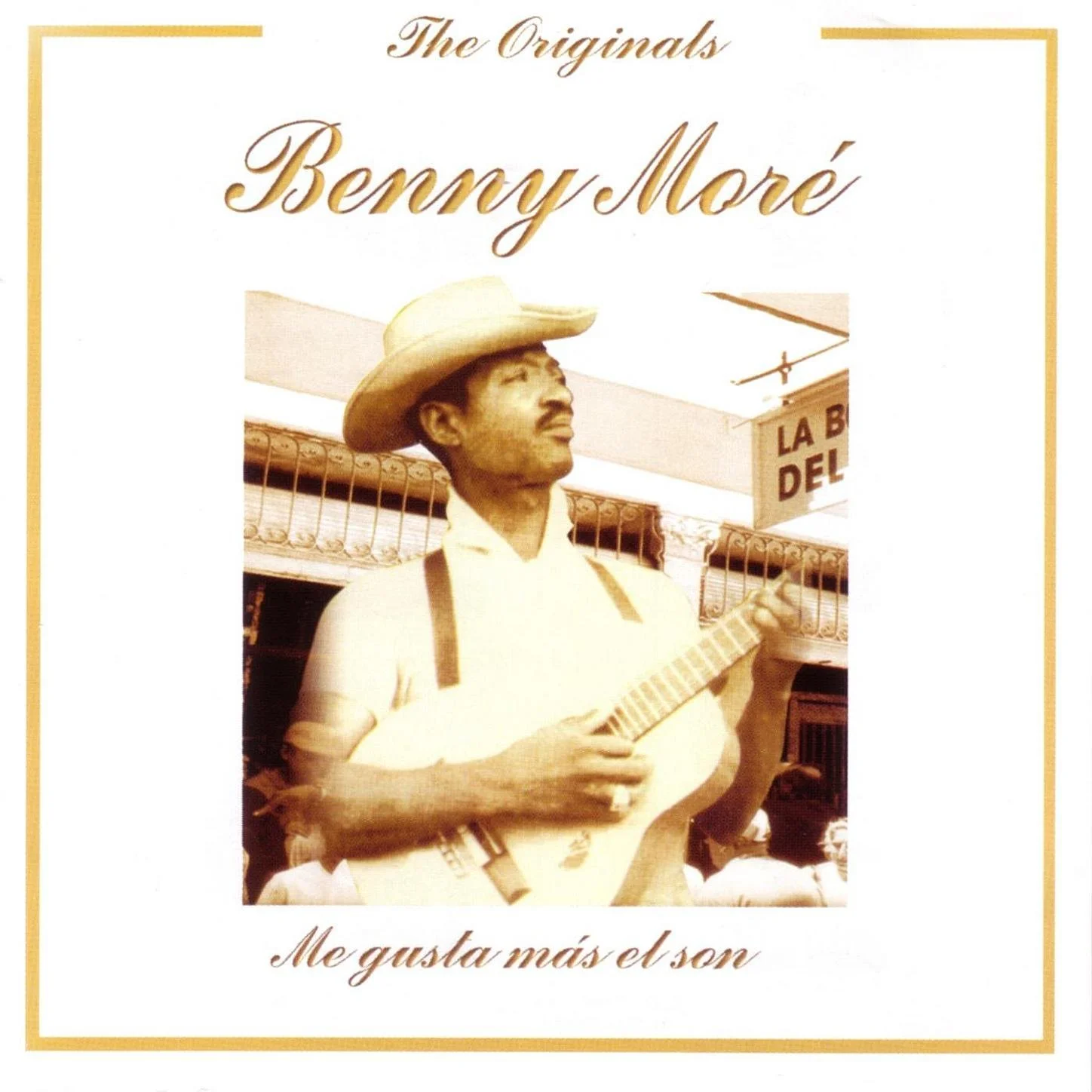
“Maracaibo Oriental” by Benny Moré
This is an original pressing from the late 50s I stumbled across in Havana. The record was in pretty good nick and on there, I found a nugget of a number named “Maracaibo Oriental” by the legendary Beny Moré. Cuba is the most musical place I've ever visited, and this track is a permanent reminder of the nights I spent checking out amazing bands paying homage to the island's glorious past.
“Samba De Uma Nota Só (One Note Samba)” by Antônio Carlos Jobim
The late Antônio Carlos Jobim, the man who co-wrote “The Girl from Ipanema,” is a giant in his native Brazil and one of my most significant musical influences. I discovered and fell in love with bossa nova while I was in college. The absolutely gorgeous “Samba De Uma Nota Só (One Note Samba)” was the composition that planted the first seed in me.
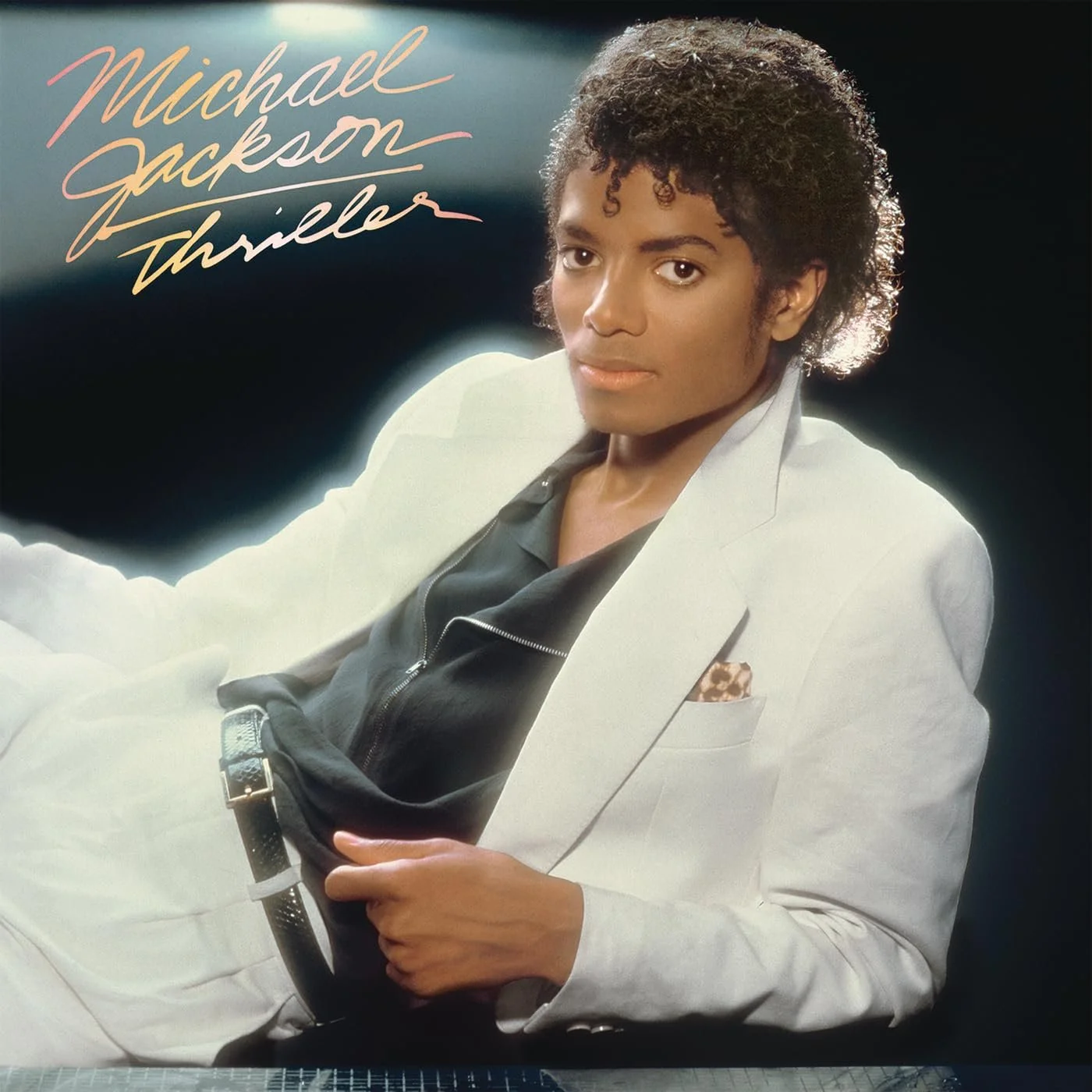
“Billie Jean” by Michael Jackson
Michael Jackson is the artist who has had the biggest impact on me. In my youth, there was no album bigger than Thriller. I studied Michael's dance moves intently and tried hard to memorise his lyrics even though my English wasn't very good back then. One of my most abiding memories growing up was seeing the King of Pop break out into the moonwalk to the sound of “Billie Jean.” His live performance at Motown 25 is one of those iconic TV moments I'll never forget.
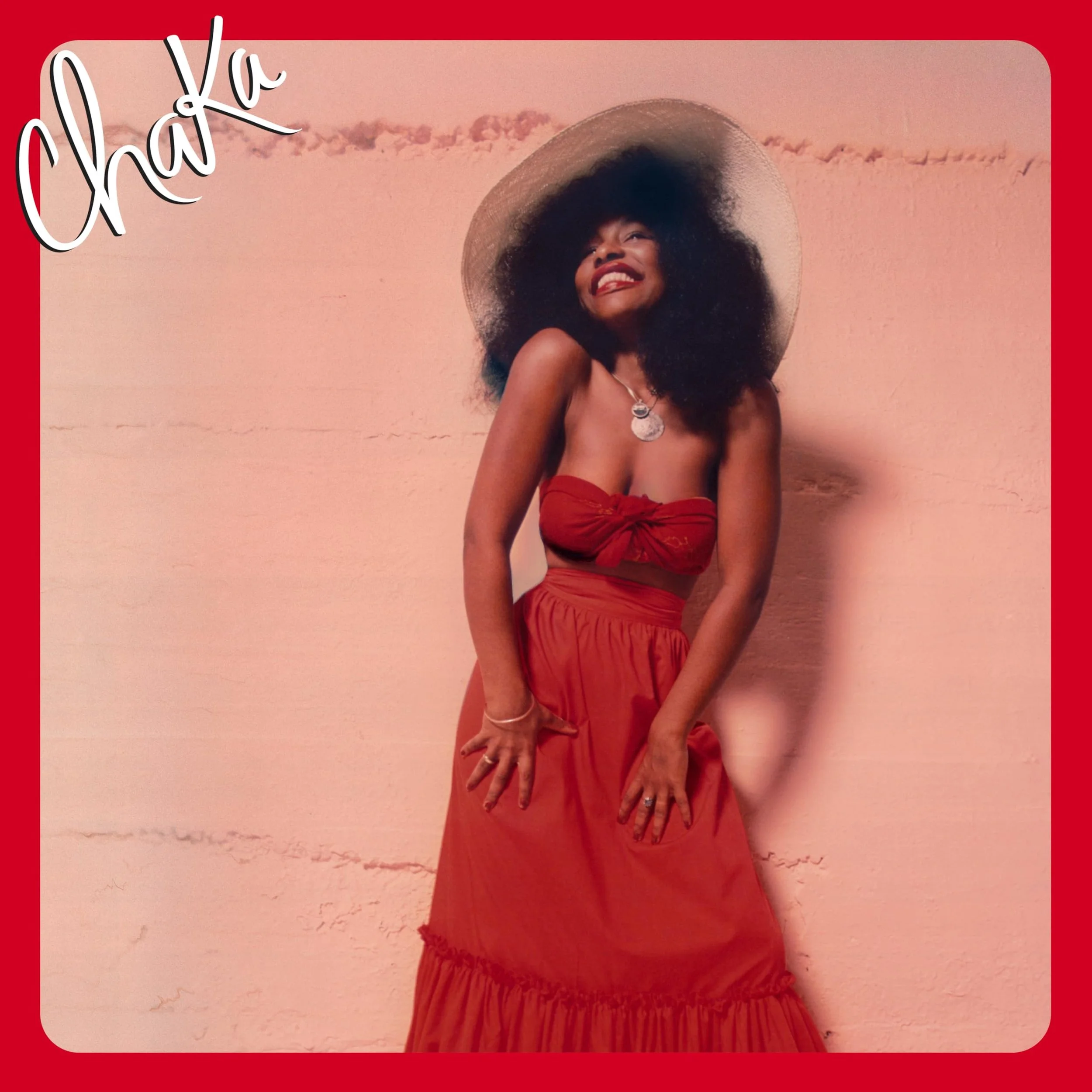
“I'm Every Woman” by Chaka Khan
I had three major crushes during my school days and Chaka Khan was one of them. This beautiful tribute to women everywhere is my favourite track of hers.
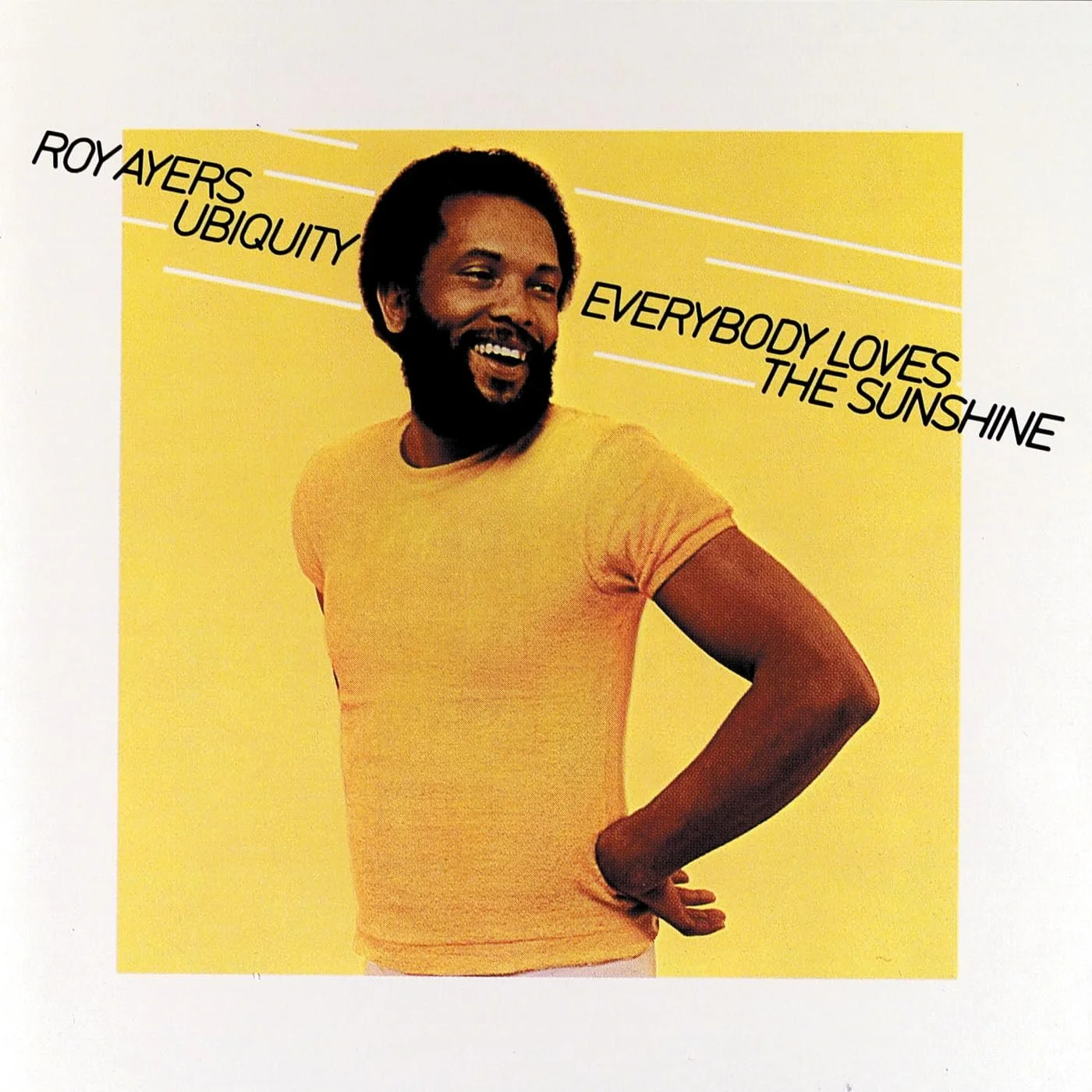
“Everybody Loves The Sunshine” by Roy Ayers
Similar to Miles Davis, I was introduced to Roy Ayers via a cover of his most famous hit. The title track to Mary J. Blige's My Life album sparked my affinity with the late vibraphonist's music. “Everybody Loves The Sunshine” is one of those songs that soothes my soul every time I hear it.
“The Nervous Track” by Nuyorican Soul
In their heyday, Nuyorican Soul a.k.a Masters At Work's productions, were so on point that I grabbed as many of their releases as I could. They were so reliable that I rarely bothered to listen to their records before buying them. In my humble opinion, “The Nervous Track” was the sound of 90s New York house/dance music and put Kenny "Dope" Gonzalez and "Little" Louie Vega firmly on the map.
Listen to Mr Boogie’s curated 12 songs playlist below.