When we meet with Jenn D’Eugenio on a video call, we can hear the hiss of machines behind her. They heave and sigh every few minutes, a third person making their presence known in our interview.
“I’m currently at work, so hopefully there’s not a ton of background noise. I sit on the pressing floor.”
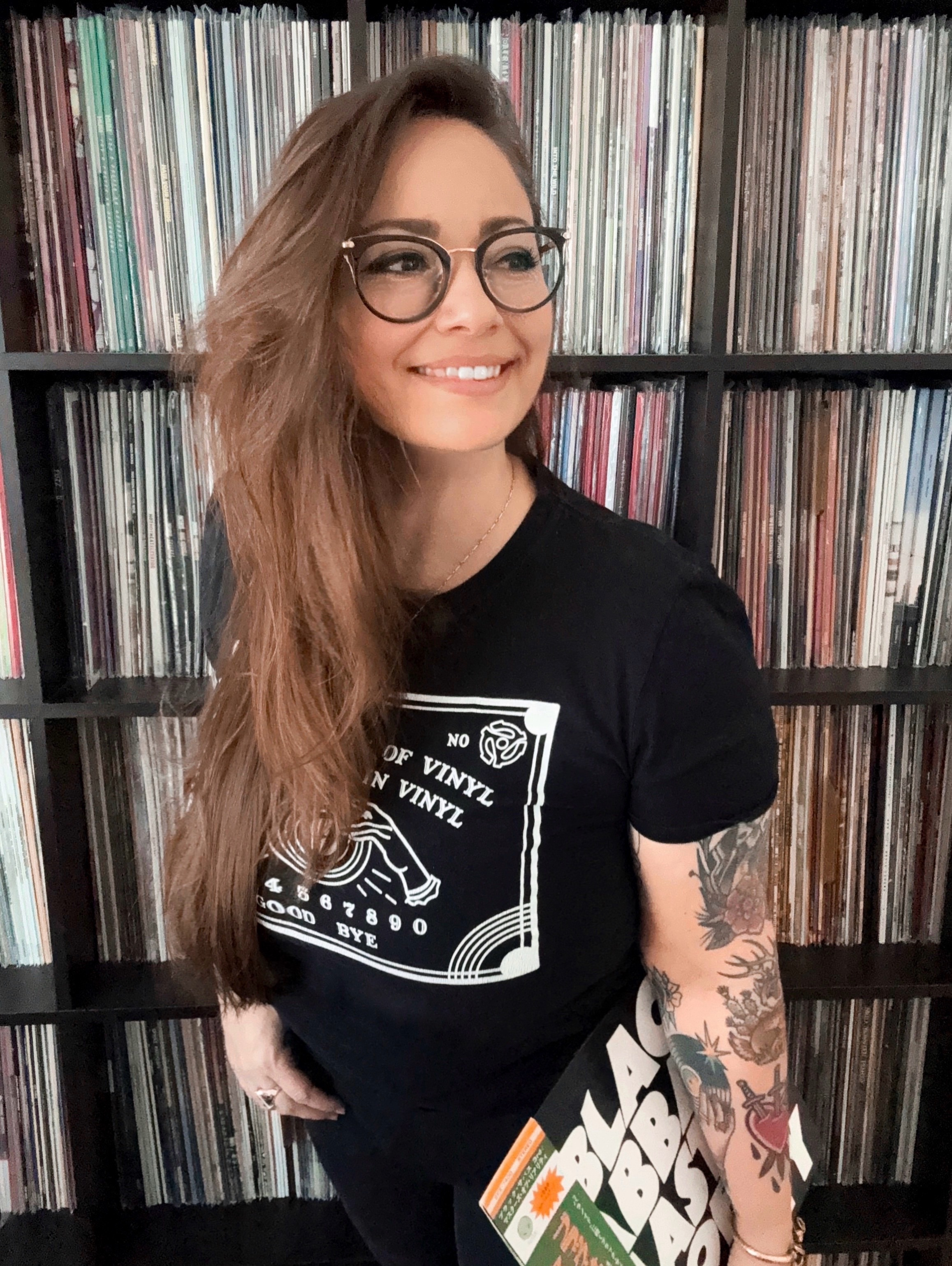
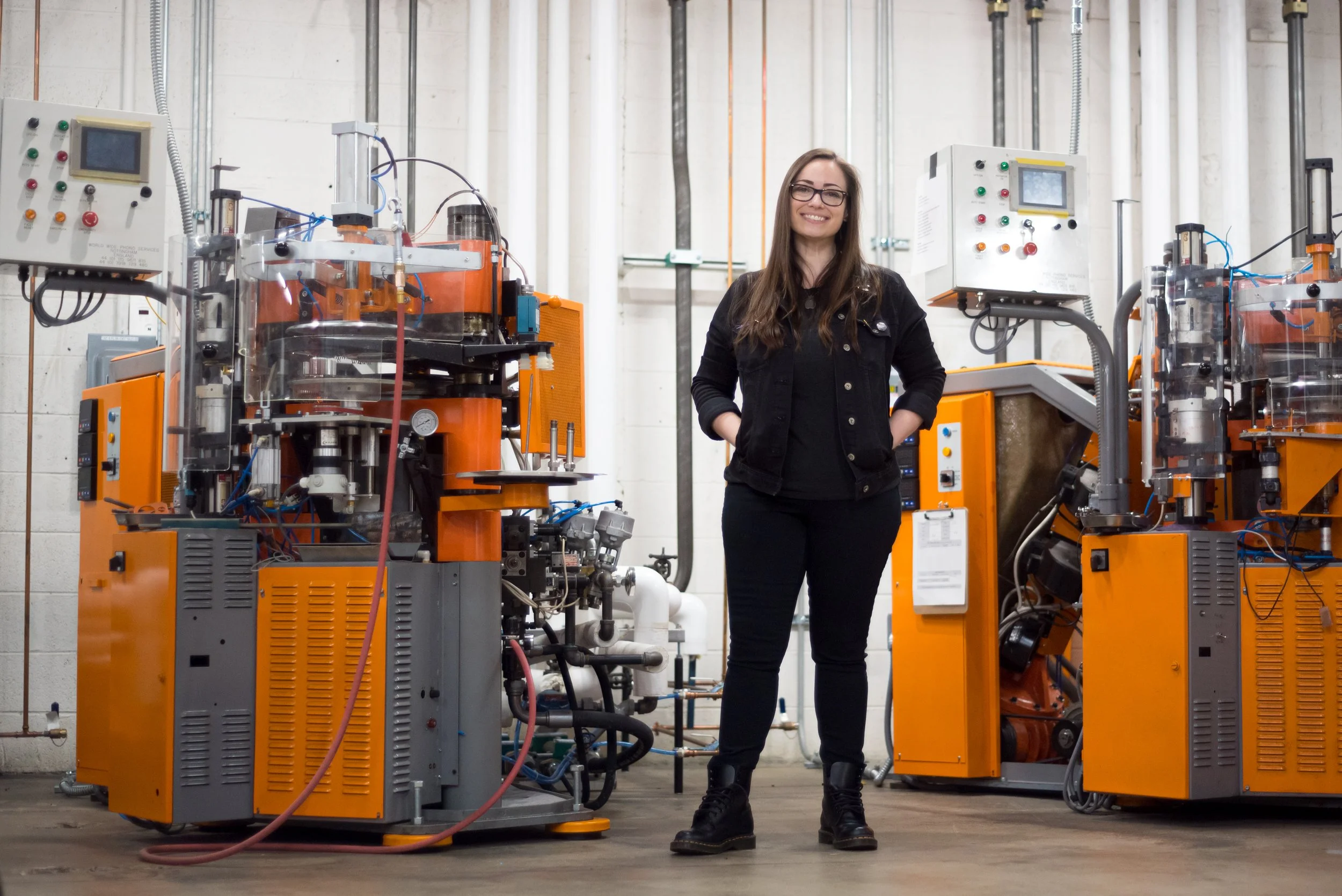
The pressing floor in question is that of Gold Rush Vinyl, a vinyl record pressing plant in Austin, TX where D’Eugenio works, overseeing the production of records for independent artists and labels around the world. She’s also the founder of Women in Vinyl, a nonprofit organization that works to empower women and marginalized people to create and preserve the art of music on vinyl.
Though she lives and breathes vinyl records today, her path here wasn’t linear and it certainly wasn’t intentional. She’s been a ballet dancer, a Textiles student, a kids’ clothes designer, and a career advisor before she seriously considered a role in the music industry.
“If I’m considering what my ‘why’ is, I know this sounds kind of cheesy, but it’s to help people,” D’Eugenio said.
Discover some of the coolest projects this vinyl connoisseur has worked on, her thoughts on the future of vinyl, and why she’s forging more paths for women to join the vinyl scene.
Was there one vinyl record that sparked your love for the physical medium?
The first record that I bought with my own money was Led Zeppelin’s “Houses of the Holy.” Sometimes, as you do in high school, you leave early. There was a place called Dragon Song in Northern Virginia and it had a wall of “Moldy Oldies,” which is what we called them. With my money, I started digging through all of these records and I found Led Zeppelin’s “Houses of the Holy.” It was the first record I bought.
Was there something about that particular Led Zeppelin album that drew you to it?
Most of the people I know initially found classic rock at that time in their lives. When I saw that record, I was like, “Wow, this is a fun way to consume music, besides a CD, where I can look at the album art, look at the lyric sheet, and put it on the record player my parents have, but it’s mine.”
Plus, the guy who owns that record store had so many fun stories. We sat in there and he would talk about being a roadie and all of these things that he did. It was a natural thing to buy the record.
What is it about vinyl records that you love?
I do love CDs and cassettes, but the size [of records] is one thing that’s nice about them. I am an artist by trade and it’s nice to see the art at that scale and appreciate it in that way.
I also think records are just magic. If you think about how audio gets onto the record and all of the steps involved in that, it really is sort of mind-blowing. And to think about the needle in the groove, producing sound—it’s such a crazy thing when you break it all down.
Back when I was buying records, most of them were used. Not a lot of people were putting out new records back then. There wasn’t a lot of color variation or anything like that. These days, records are truly an art piece. Not only is it a beautiful way to consume your music, but it also sounds really nice and it’s a really good way to support your favorite artists because they’re actually making money from the sales of records. They’re the best.
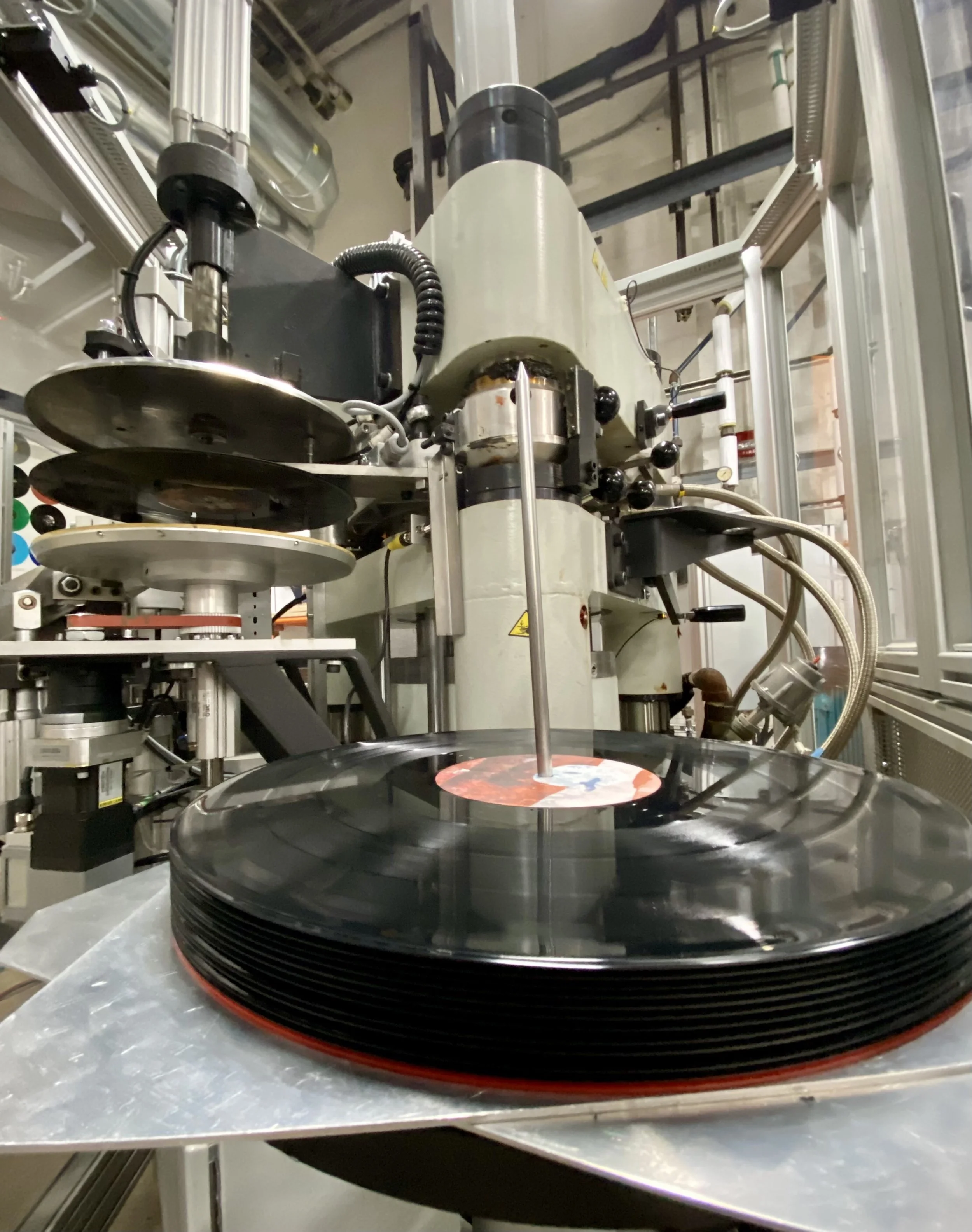
I’ve always wondered how music is added to a record. How does the science behind that work? Could you give a TL;DR?
The artist will record their digital audio and hopefully, they’ve mastered it for vinyl, so there’s more room in that audio file. For digital and CDs, there was a thing called the loudness war back in the day. It’s compressed and it’s loud. If we used that same compressed audio to press records, your needle would be jumping all over the place.
When your audio is mastered for vinyl, they actually take a gemstone stylus—like a diamond or a sapphire—that’s attached to a lathe. They play the audio and through the vibrations, that stylus cuts the audio into the lacquer, and it’s the size of a human hair. That is then transferred through into your electroplating process, where we make the metal parts. Then those metal parts go into the machine to press the records.
That’s actual magic, which means you’re a magician. Can you walk me through your career before you started pressing vinyl?
In high school, I always loved music. I always hung out with people who played music, but no person I ever talked to was like, “You should work in records.” I was always creative and I was really pursuing dancing. I went to the KIEROV and the Boston Ballet intensive programs, but I realized that realistically, I wouldn’t have a career, at least a longer career than my body would allow, and so I started exploring art. I went to the Savannah College of Art and Design, and got a degree in Textiles. I actually designed kids’ clothes for Target and Osh Kosh B’Gosh, and did that for years until I couldn’t draw another bunny. I got kind of burnt out on that.
If I’m considering what my why is, I know that sounds kind of cheesy, but it’s to help people. I love helping people, so I decided to go back to my college and became a career advisor. I started advising students at the School of Design on getting jobs, creating portfolios. I met my husband at a record store and we thought, “Savannah is getting kind of small and we want to do something else.” Actually, my mom sent us a job posting for Furnace Record Pressing in DC and she said, “Come home!” We applied, got the job, and ended up moving back to DC and working there for about five years. That was my entry point into the vinyl industry.
It’s been a perfect amalgamation of everything that I love. I’m always helping people create these beautiful packages, considering their options, getting everything they want out into the world. I’m doing a bit of that advising, but I’m also staying creative. It’s really a perfect mix of everything and it’s still in the music industry.
That’s why I started Women in Vinyl too. While at Furnace, I realized there were all of these women doing such awesome things behind the scenes and I was like, “Where have you been? Nobody told me about you!” What I found after all of this time is that all of the women in this industry found their way here by chance.
If you don’t play an instrument, there isn’t much of an entry point into the music industry. A lot of the jobs that we do, there aren’t educational pathways into. We tend to just stumble here. That was really important for me with Women in Vinyl, to make it a nonprofit to show that these jobs and these people exist.
When you started working at Furnace Records, was there something about vinyl pressing that piqued your interest?
All of it. The craziest thing is that it’s a learning curve for everyone because a lot of this knowledge isn’t out there. There is a lot of education to be done. Not only do you have to do that to speed on all of the different print options available, [but you have to learn] how records are made, to be able to advise people, and you’re regurgitating that information over and over again because any new band or artist who wants to put out a new record is learning from square one.
I can see where your advising experience comes into play here too. Do you have a favorite record you’ve ever pressed?
I would say that there are two career milestones for me. One was when I was in Furnace, I got to help bring all of The Smashing Pumpkins archival releases into the world. We had gotten this quote request and it was under a fake name, but I figured it out. They put it under “Zwan,” Billy Corgan’s other band. I was like, “I know what this is!” so I started following up. I was persistent in getting in touch with them.
Finally, it paid off. I got to help get those [records] out into the world for the first time. These are releases that aren’t out anywhere else. A lot of them are live demos. Billy himself was signing the intellectual property rights forms. It was really exciting for me, I love that band so much.
The second was here at Gold Rush. My friend Jett cuts lacquers and she called me up one day and said, “RuPaul is putting out all of their stuff on vinyl.” I got to press the Gold Series, which are records one through four of RuPaul's music. Ru actually called me on the phone because she likes to be involved in the process. The day that RuPaul calls you is a pretty mind-blowing day.
Do you prefer it when the artist or band is involved in the process?
I love when they’re involved. Steve Von Till, who is part of the band Neurosis, used to put out some of his solo stuff. I worked with him a lot on that and it was such a fun experience because he was so collaborative with it. He would ask, “What do you think would look good with this art?” or “How about we do something like this?”
Sometimes people will come in with an idea and you don’t have to communicate that much about it at all. Other times, they really want your input and it’s fun to provide that.
It was announced that vinyl record sales hit $1 billion in US revenue last year. How do you feel about that?
I’m not surprised. When everything swings so far one way, when everything is on the Cloud and intangible, it has to come back the other way. In the pandemic, we saw a huge spike in record pressing because people were at home. They were spending time with their music and it was important to them. I feel like my generation is starting to have kids or has kids, and they’re passing [records] down the same way our parents passed down this way of consuming music. I don’t think it’s going anywhere and honestly, there is only opportunities for continued growth.
It’s also a way to support your artists, the same way you would buy a T-shirt. Except instead of something you might grow out of or might wear, you have this archival medium that lives on with you and can be passed down.
Let’s chat about Women in Vinyl. Why did you decide to start the organization in 2018?
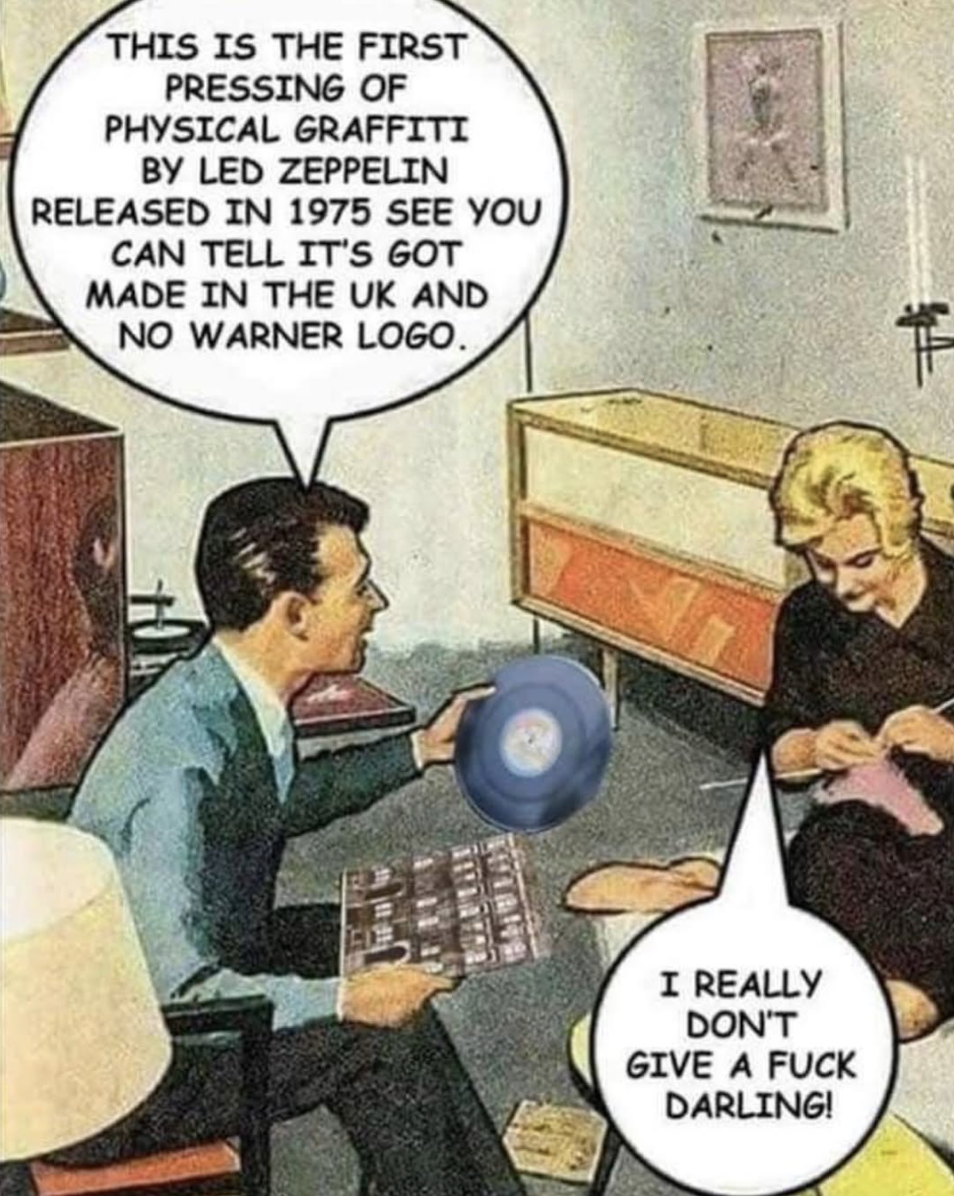
Source: @joaobrandi on Instagram. Original creator unknown.
Two things kind of happened in tandem. One I like to mention is that there was this meme going around on Instagram. It was a 1950s couple—it still pops up every so often—and it was a husband who was holding a record. He’s nerding out about a Led Zeppelin record in the speech bubble (people have changed the speech bubble to different things). And then a woman is sitting there, knitting, and she’s essentially like, “I don’t care.”
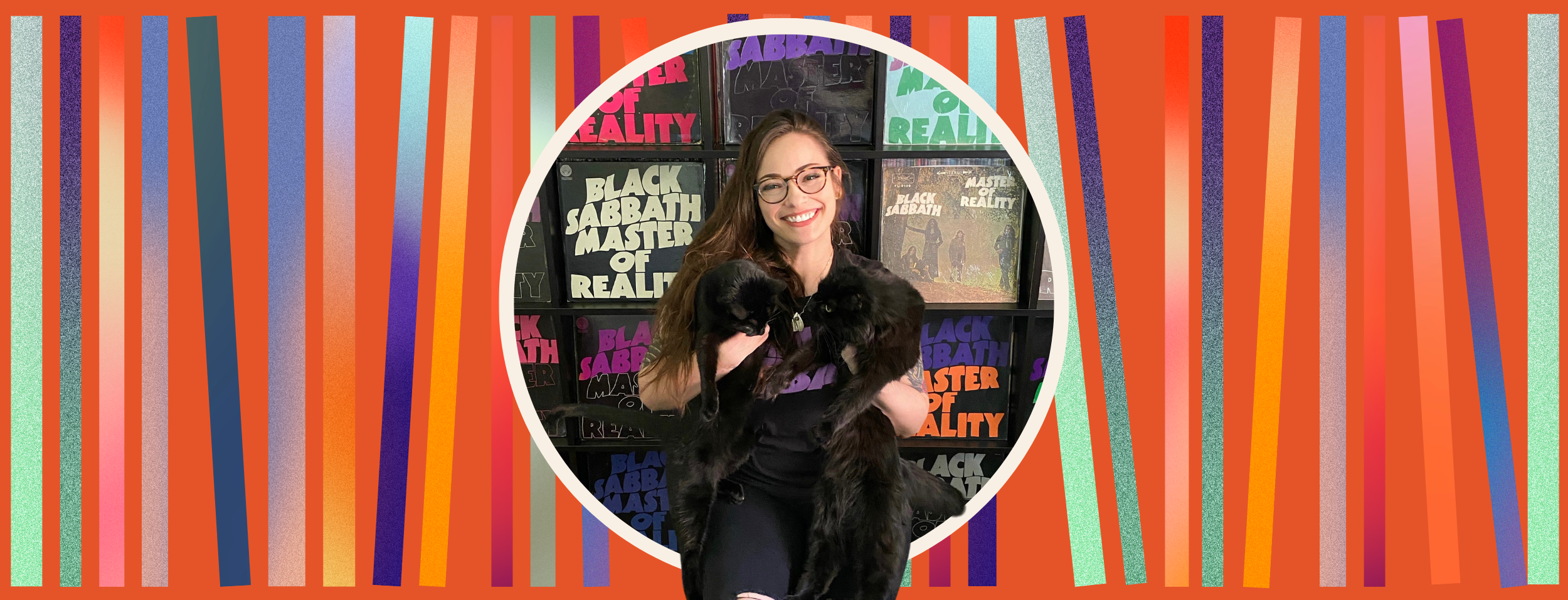
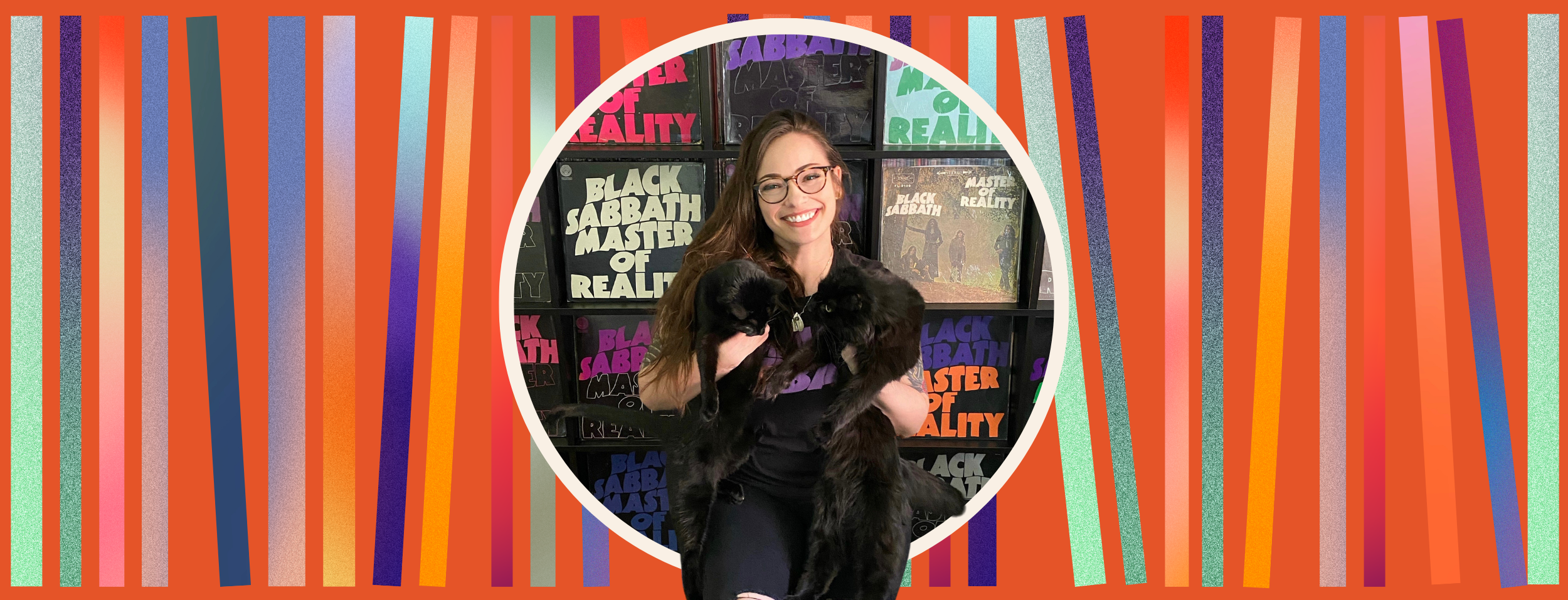
Every single man, it felt like, was reposting this, saying, “I know the sentiment.” It was getting under my skin. Normally, I don’t care about stuff like that, but the amount of reposting, I was like, “Come on, everybody. I have 50 copies of ‘Master of Reality.’ Women can be the nerd too. Why does it have to be that way?”
At the same time, I had started working at Furnace and I was seeing all of these amazing women at work. I thought, “Why don’t I shine a light on them? I’ll start a blog, interview them, and let them share their stories about how they found their way here and what they love about this industry.” When I started that, it really took off and I realized that because of my love of higher education and advising, I wanted to make it an educational nonprofit. That’s how we got here today.
Women in Vinyl just kicked off their mentorship program. Can you share more about it?
The mentorship program that we launched was amazing. It’s the first of its kind that deals with physical media. A lot of organizations stop at mastering, but we pick it up from there and talk about lacquer cutting and working at a record plant. You’re getting to connect with people in those fields and learn about how to get into them.
We don’t have a membership per se because I didn’t want to create a barrier to entry. We’re trying to reach people in high school. I went to a girls’ school in Austin and talked to sixth through eighth graders about how records are made. I don’t want someone to have to go to their parents and ask, “Can I have X amount to be part of this organization?”
We’re going to have our second mentorship cohort this fall. The first one we did had 20 people. We’re actually wrapping up the program and are so excited to hear all of their stories. From the feedback we’ve gotten so far, it was a really successful first program.
Do you have any other success stories from Women in Vinyl?
We fund scholarships and internship opportunities as well. We send people to Lathe Cut Camp, where they get hands-on learning on cutting records. We send someone to Berklee College of Music for a certification program every year as well—we just ask that they focus on something within physical media.
One of the most exciting stories, I think, is that here at Gold Rush, we brought in interns to work. Two of them were on the production floor and one of them was front of house. Olivia, who went through that internship program, is now a Production Manager here. She’s fantastic. My day would be much more hectic without her. I’m so thankful. She’s been amazing.
At the end of the day, what are you most proud of with Women in Vinyl?
To me, even if one mentorship is successful, that is a success to me. For someone like Olivia to be working here now and have that be the way she found her way into this industry is amazing. All of the connections that have been made are really exciting. I’ll hear of people who saw an interview I did or met through the board, and now they’re great friends and it was because of Women in Vinyl. Those kinds of things are something I never thought about when I started this, but it has been something that’s really rewarding and special to see happen.
What’s next for Women in Vinyl?
A lot of what we’re trying to do now is get into classrooms and into different opportunities where we can speak to people about how records are made and the jobs that are involved. If there’s a school that already has an audio program, why don’t we look into getting some of the newer lathes and actually teach people how to cut lacquers? Or why don’t we have a solid internship program in vinyl manufacturing, so people don’t have to start from zero? Those are some of my big initiatives and goals that I want, so people get into this [industry] on purpose and not by chance.
At the end of the day, as weird as it is to say, we hope that we don’t have to exist. We’ll have diversified enough that these jobs exist and there are entry points into them.

To get involved in Women in Vinyl, you can sign up to become a volunteer, register for their mentorship program, and make a donation to the nonprofit organization.
Here are Jenn D’Eugenio’s 12 songs.
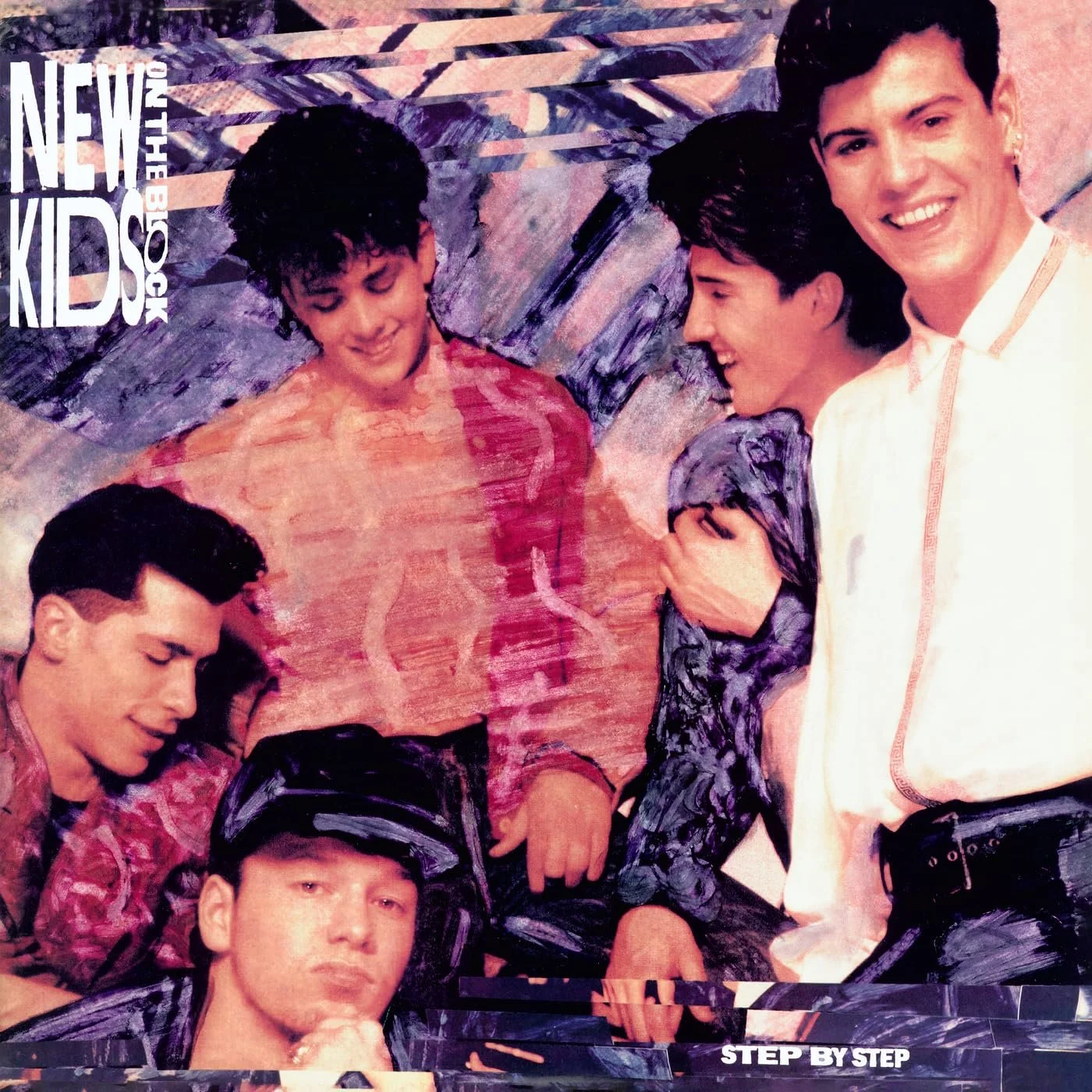
“Step by Step” by New Kids on the Block
The only way I can narrow down playlists like this is to give them a theme. I like far too many different types of music—it’s near impossible otherwise. Thinking of this as the soundtrack to my life, I started with my first music obsession as an ’80s kid. I bet no one expected this to open a playlist you put on today, but when I was a kid listening to oldies—Willie Nelson’s “On the Road Again”, Otis Redding’s “(Sittin’ On) the Dock of the Bay”—those are core memories tied to my family.
The first band tee I owned was NKOTB, and the first dances I choreographed for myself were me trying to mimic their moves (I may have cleared a dance floor or two with some “Hammertime” in the late ’80s/early ’90s). It shaped the way I’d fall for a band, completely obsessing over it and consuming as much as I could.
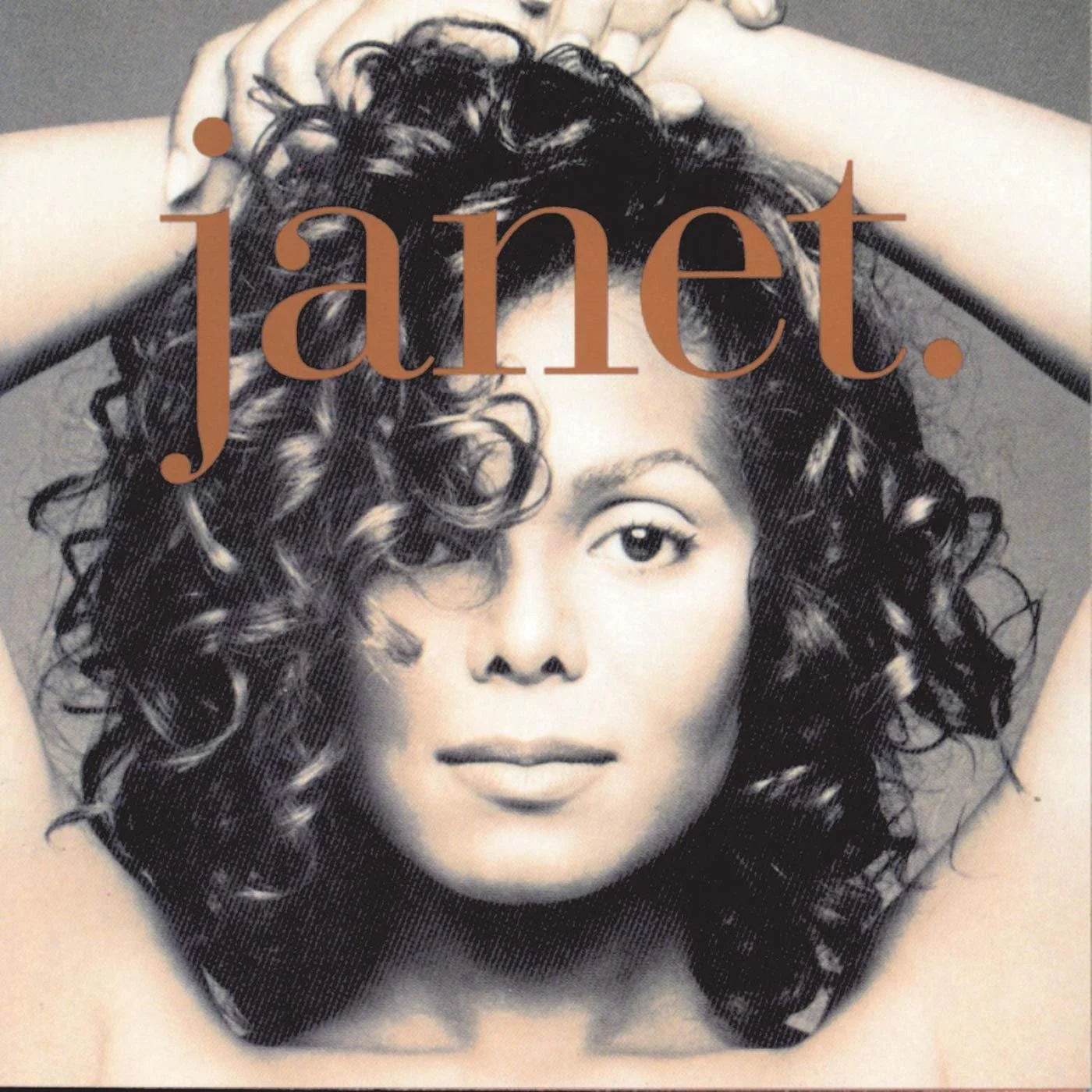
“If” by Janet Jackson
This album was huge at a time in my life when I was becoming a young adult. Entering junior high, I remember lying on my friend’s bedroom floor playing it over and over, looking at the infamous Rolling Stone cover, and learning all the lyrics (even if I didn’t fully understand them at the time). And what young dancer didn’t try to learn the choreography from this video? You know who you are. The whole album has so many great songs: “Because of Love,” “That’s the Way Love Goes,” “Again.” My favorite Janet era.
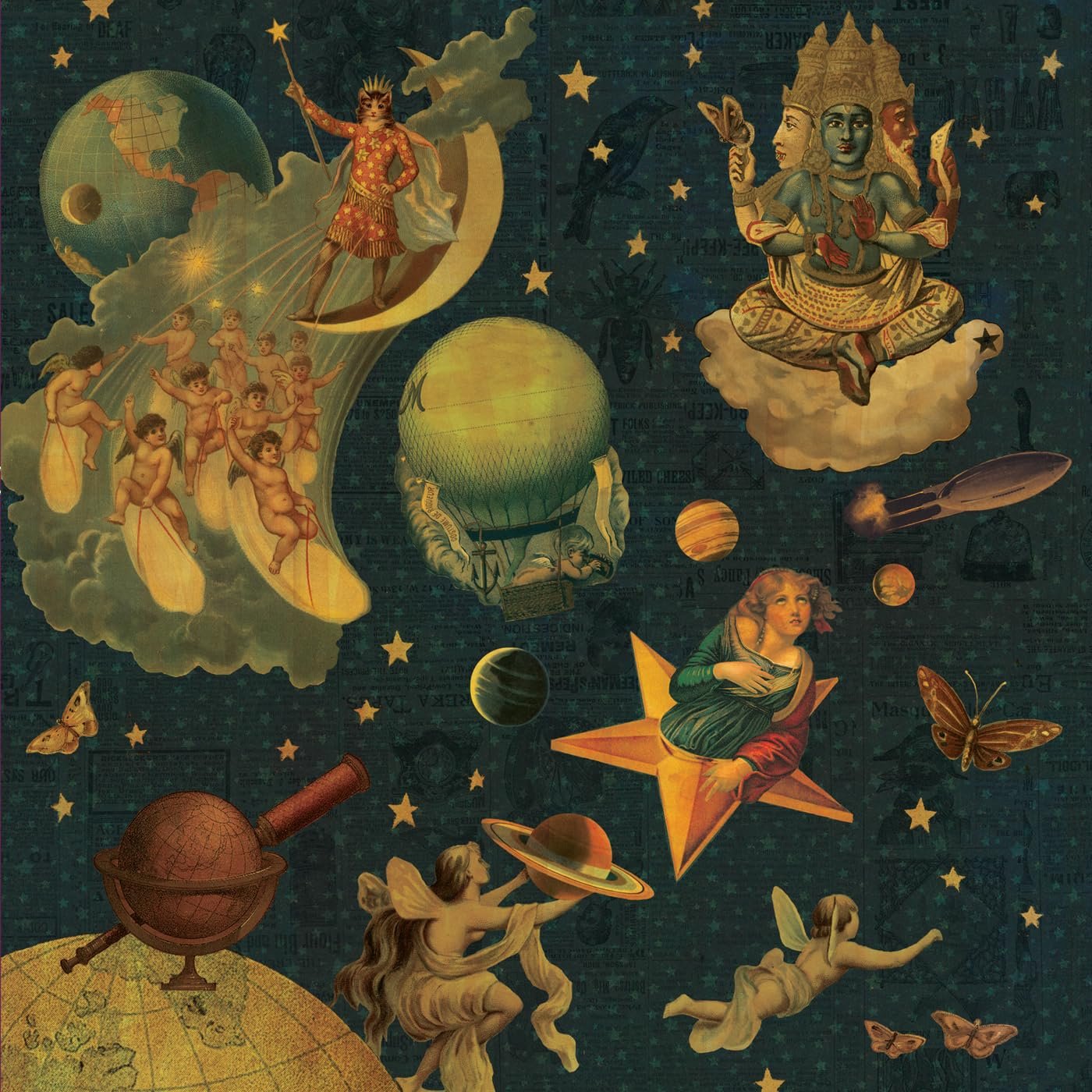
“Zero” by Smashing Pumpkins
I have to start by saying I could have easily made a 12-song playlist of just Smashing Pumpkins songs. They’re one of my all-time favorite bands and it’s nearly impossible to choose just one track. “Mayonaise”—chills every time. “Drown”—perfection. “The Aeroplane Flies High”—so heavy. “Adore”—goth perfection. The list goes on.
But “Mellon Collie and the Infinite Sadness” is deep-rooted in my DNA. I remember getting the CD and poring over the artwork. It’s when I realized the kind of music I truly loved, the kind that felt like part of my identity. It was a little dark, a little heavy and angsty, but also beautiful and different from straight grunge of the time. Billy Corgan’s lyrics spoke to me. It was mine.
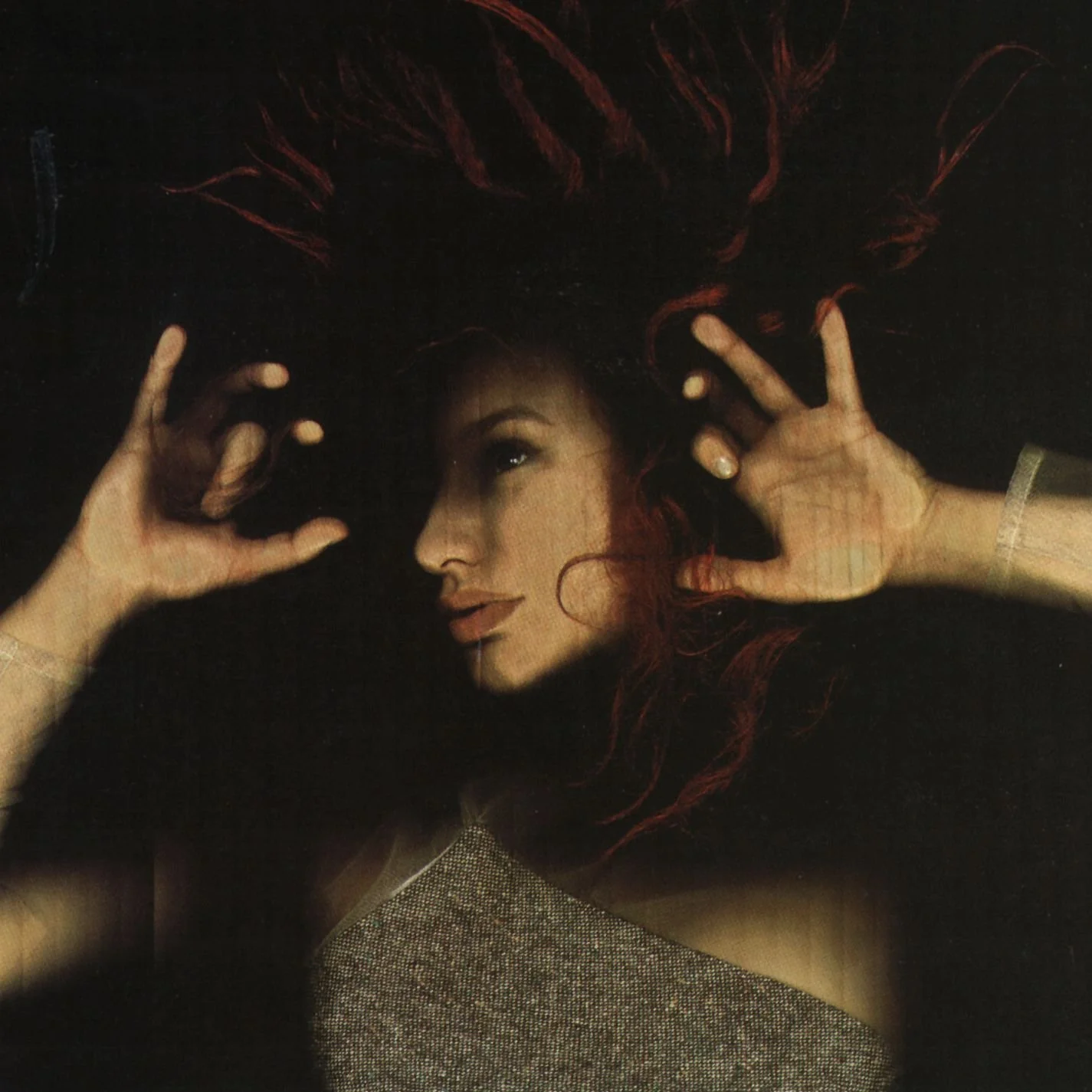
“Spark” by Tori Amos
I was very serious about ballet, and this was the summer I went away to Boston Ballet. This song was new in 1998 and completely sums up the feeling of that time. It was a summer of exploration—my first time being on my own, farther away from home, and being surrounded by people who were just as driven and in a discovery phase of their lives. It felt like a movie you’d have watched in the 90s, going to coffee shops, getting into trouble, and spending the day in pointe shoes, and this was one of the songs we loved and listened to. Every time I hear this song, I’m transported back there, pursuing a passion and developing friendships that felt so all-consuming.
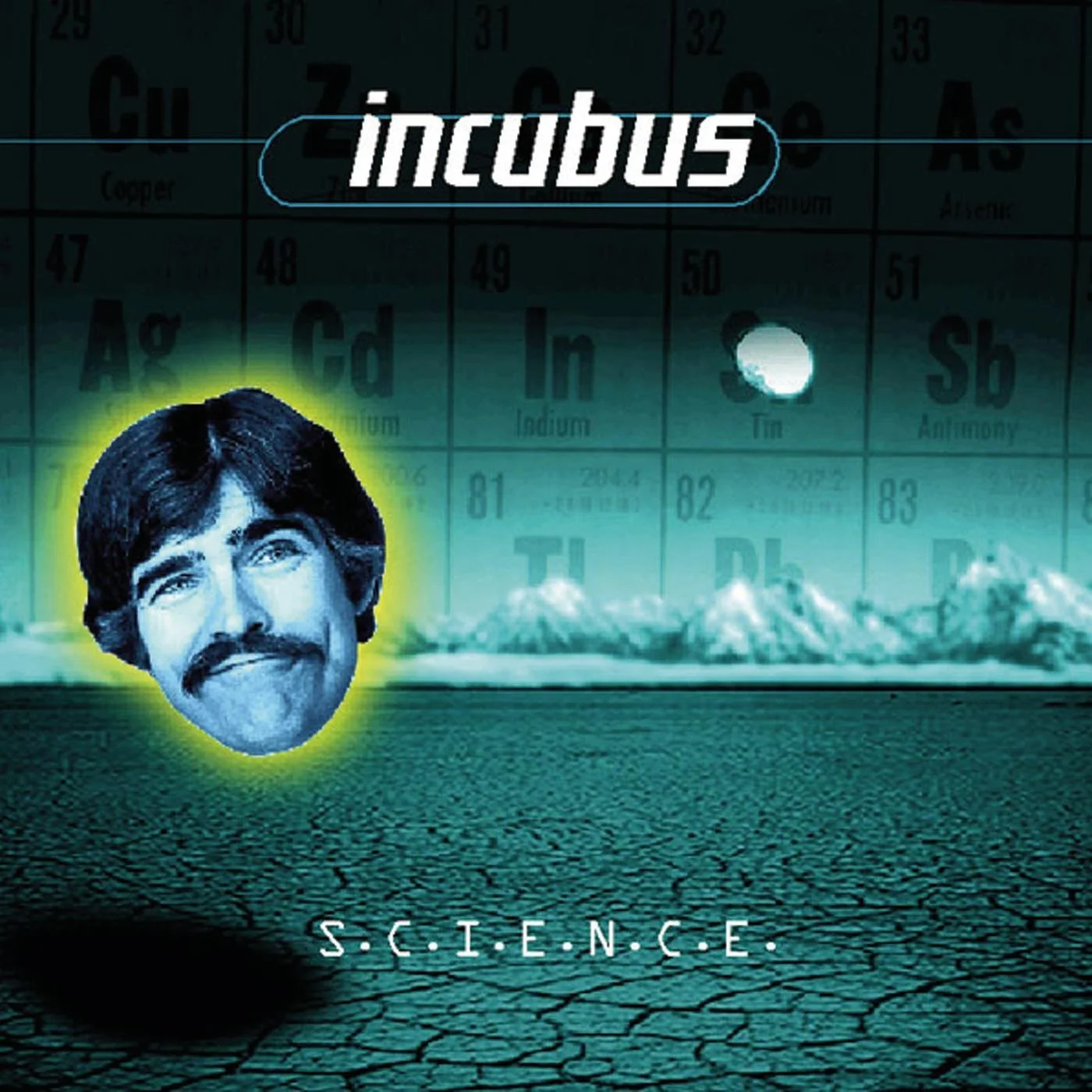
“New Skin” by Incubus
So, like I mentioned, when I love a band, I go all in. Anyone who knew me from 2000 to 2002 knows I went hard for Incubus. I bet if you said “Jenn” to my friend group from high school, they’d say “Incubus.”
I went to every show I possibly could. I painted Incubus-themed jeans to win a radio contest and try to get backstage (which worked). I bought every CD, including early bootlegs of “Fungus Amongus.” They were like nothing I had heard before and the fact that Brandon Boyd was also a fine artist influenced a lot of the art I was making at the time.
I tend to gravitate toward music with lyrics that have a point of view, something to say, and those early Incubus albums really had that. I actually stopped going to see them on the “Morning View” tour because the crowd changed, and so [I swore] I’d never see them again. I felt like the passion in those older songs was lost. But last year, I broke that promise and got to see them again on the 30th anniversary tour of “Morning View” with my sister. To pick things back up where I left them was a really nostalgic and fun experience.
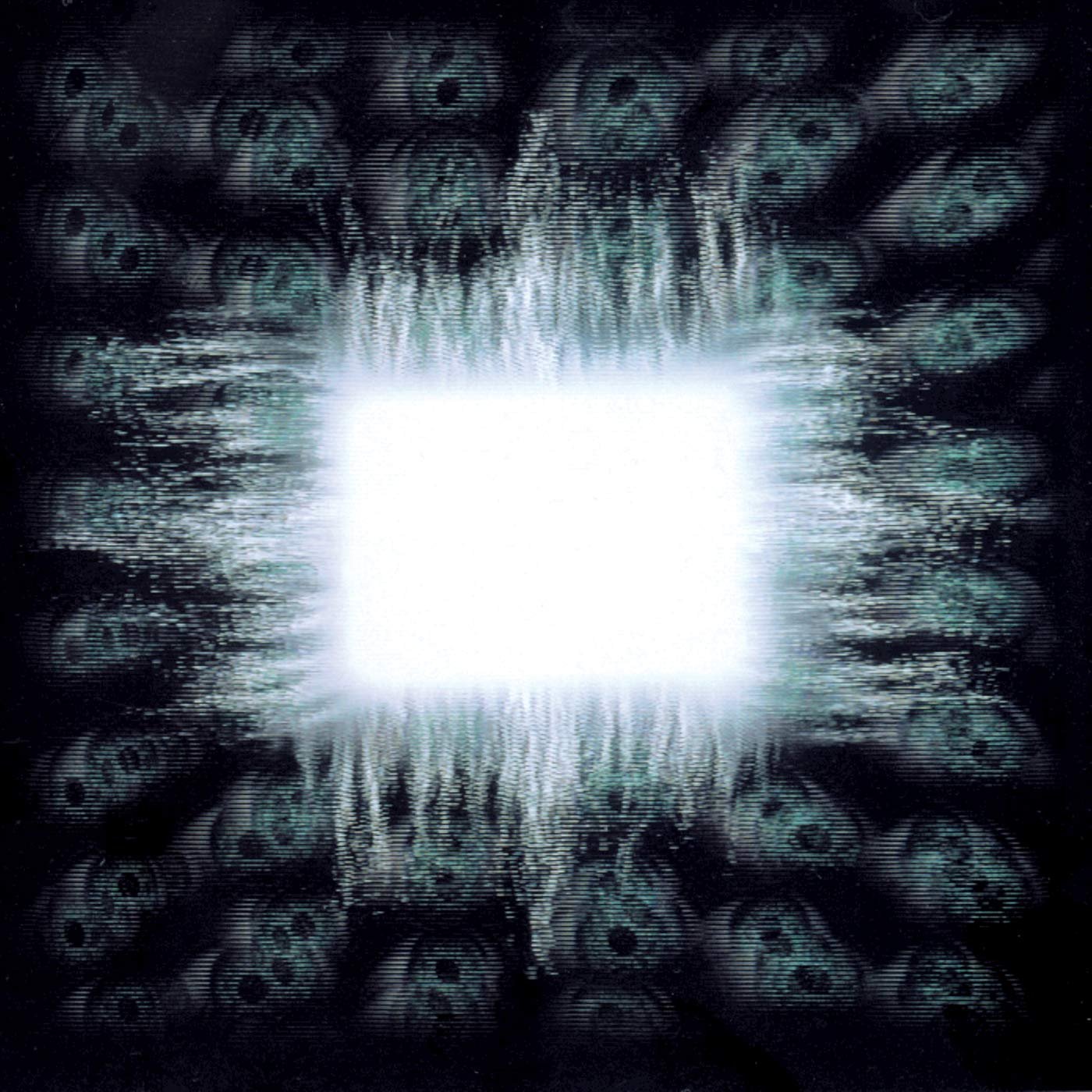
“Forty Six & 2” by Tool
People love to hate on Tool fans, but c’mon, there is nothing like them. This album was another foundational one for me. I was getting more and more into the macabre and what some would consider “weird”, but I was just a ‘90s goth kid and Tool was one of those bands in the day that felt completely different. They weren’t just heavy; they were cerebral, experimental, and intentional, but also, Maynard felt like he never took himself too seriously.
To this day, one of the best live shows I’ve seen was on the “10,000 Days” tour, and later, Tool’s collaboration with Alex Grey made another link for me from the music I loved to the great art minds I appreciated. For me, the album and artistry of the music videos felt a little dangerous and dark in a really intriguing way, unlike much else in the mainstream at the time. I loved the lenticular CD cover and the lore around the cookie recipe of “Die Eier Von Satan.” There was a lot of lore in the ‘90s, which is fun to think about now.
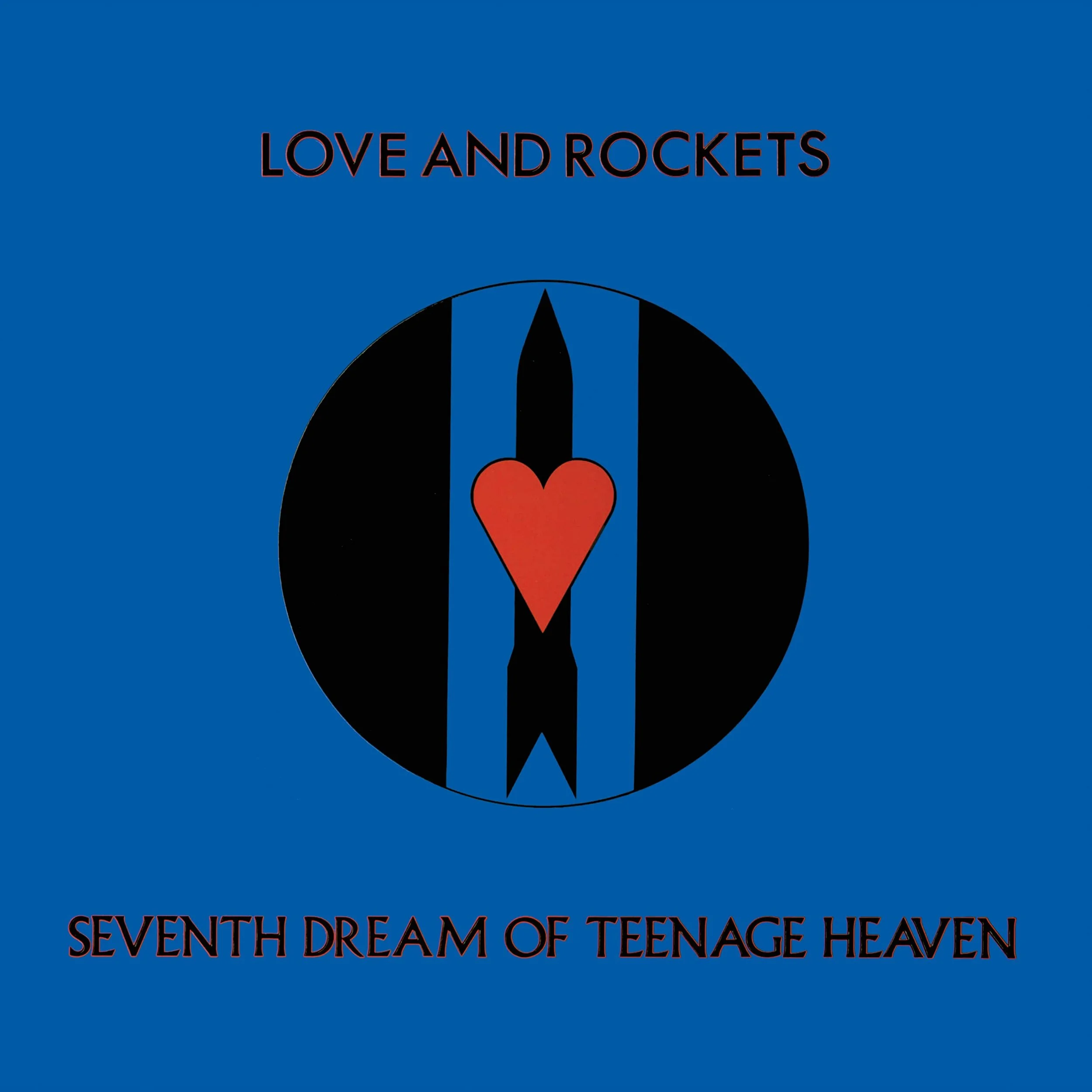
“Haunted When the Minutes Drag” by Love and Rockets
Maybe one of the most beautiful songs on this list. Wait till the drop at 3:03—melts. For someone my age who missed growing up with Bauhaus and the like, being an art kid trying to find what really spoke to me, I had to dig deeper to find the next thing I was looking for beyond ’90s sound. That’s where Love and Rockets came in. Even though this song probably feels like October to a lot of people, to me, it’s a warm summer day with the windows down.
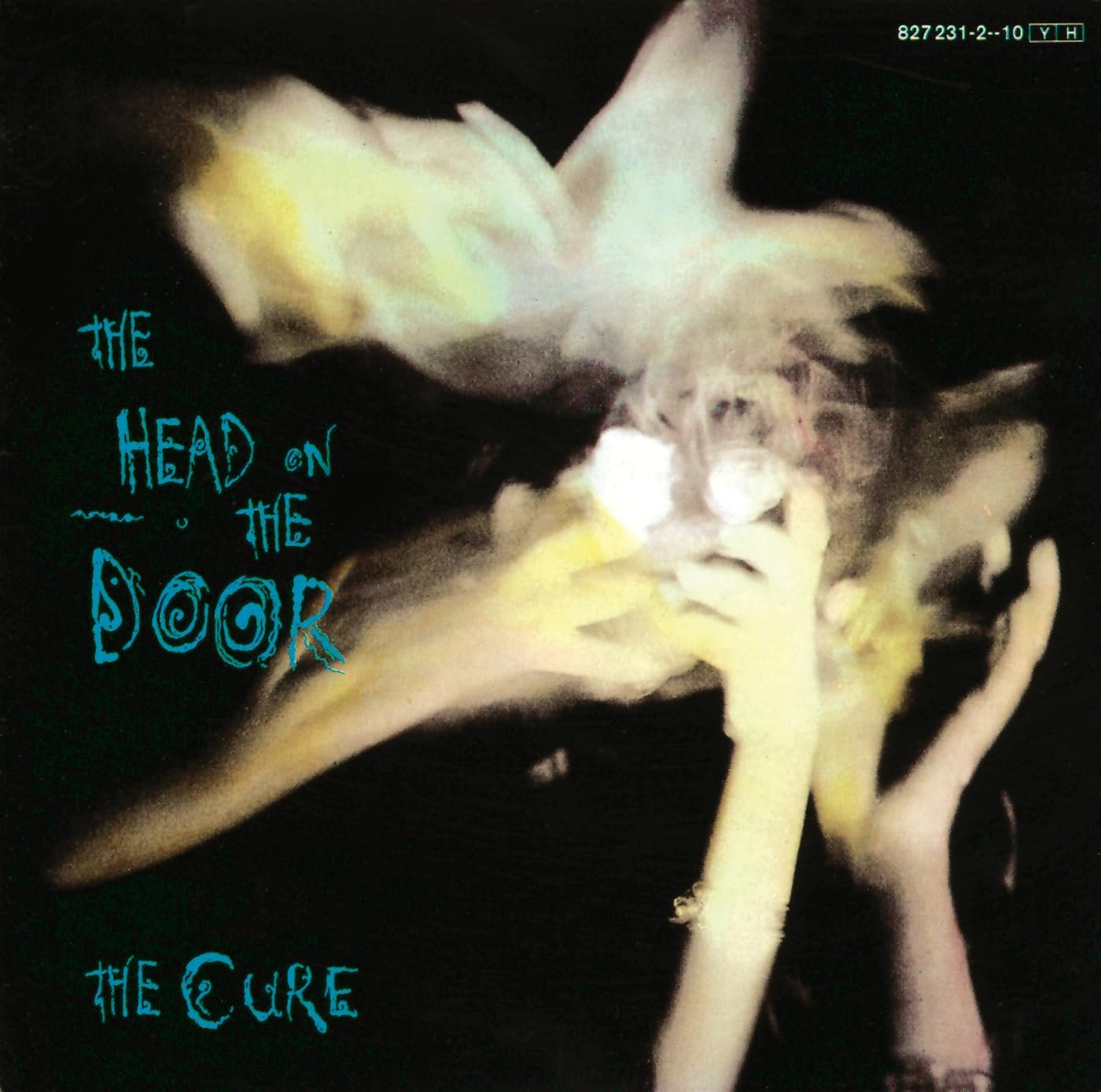
“Inbetween Days” by The Cure
There are so many eras of The Cure. It’s another one where it’s hard to choose just one song, but it wouldn’t be my playlist without them. They’re one of those bands that defined an entire spectrum of music, shaping goth, post-punk, and dream pop without even trying. Robert Smith’s songwriting made it okay to feel everything—melancholy, longing, joy—and somehow put it not only across multiple eras but in this case, all in the same song. Also, who doesn’t love the guy?! While this song is rooted in breakup and heartbreak, it still evokes happiness for me with its upbeat, poppy energy. It’s one I always include on a road trip playlist.
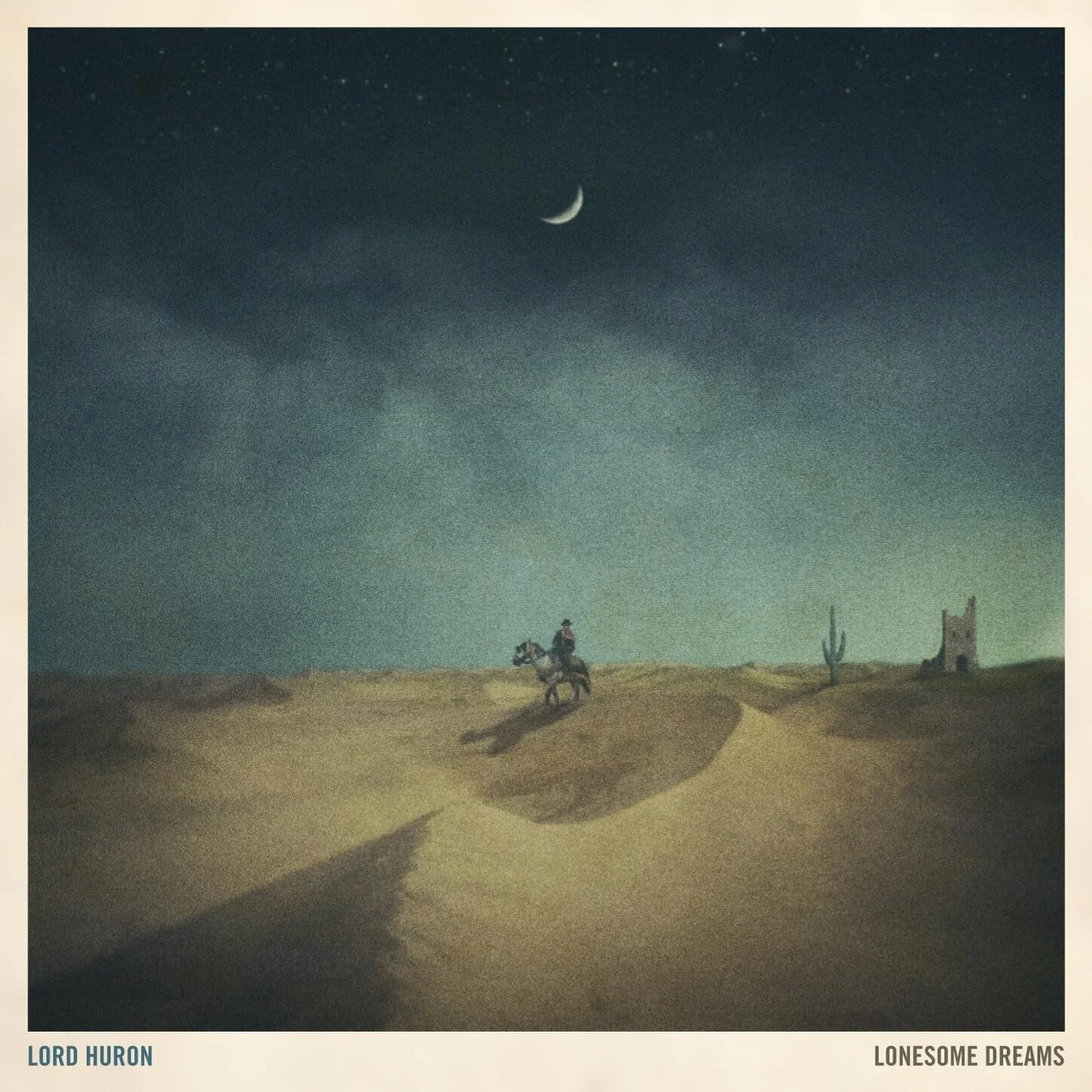
“Lonesome Road” by Lord Huron
Speaking of a road trip… for a period in my life, I lived in the PNW and worked as a traveling rep for my art college. I spent hours and hours alone on open roads, driving from the snow-covered forests of Oregon to the big open skies of Montana. My relationships existed through text, early Instagram, and work chats. During that time, I went through a lot—a divorce, then my dad getting sick. This album, the band, and this song in particular got me through it.
And while some of those moments were lonely and sad, they also created this dreamy nostalgia. A sense of self-discovery and a kind of beauty in the loneliness of being in nature and out on the open road. It’s a time in my life I’ll never experience again. This album was the soundtrack to that.
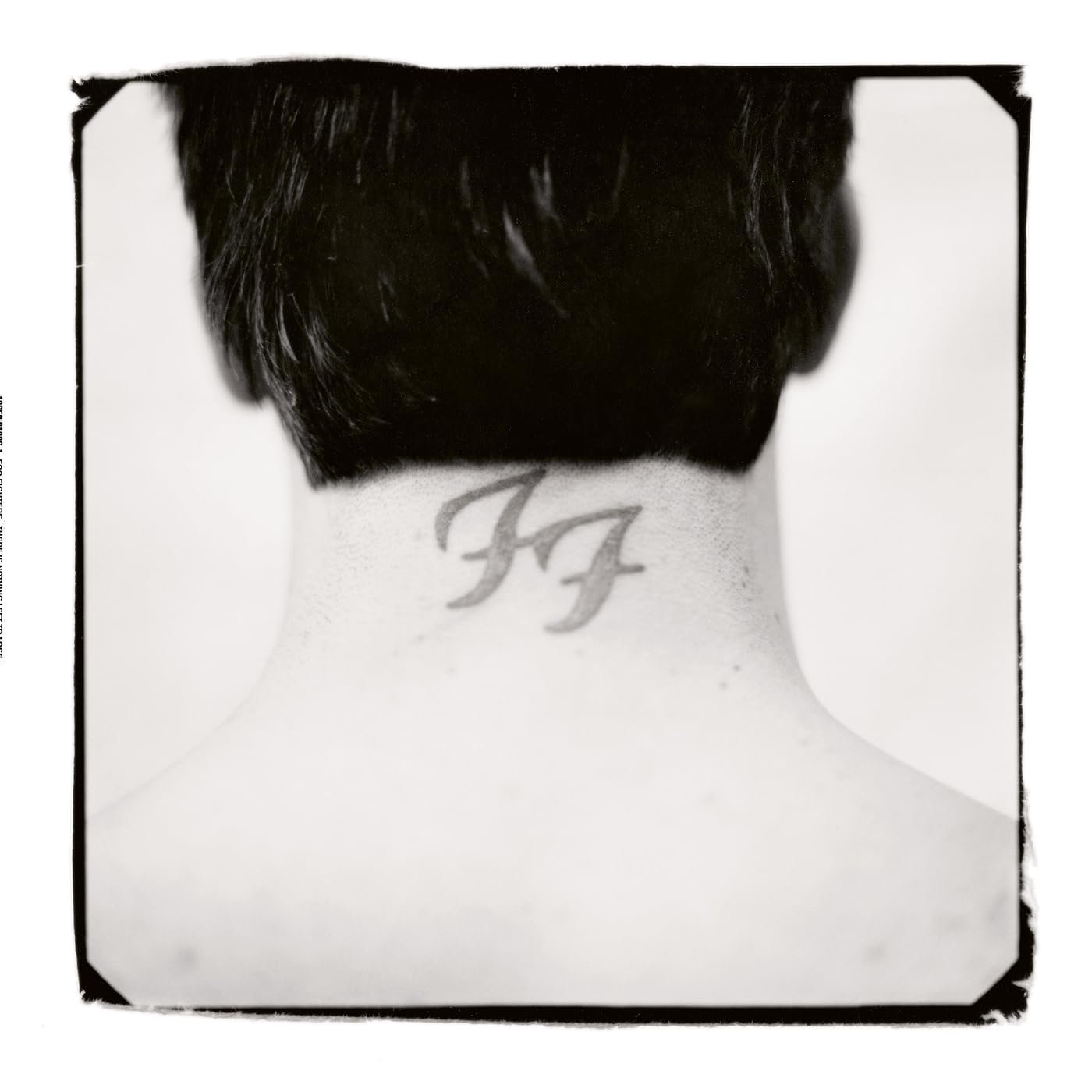
“Next Year” by Foo Fighters
Foo Fighters have always been another band that’s close to my heart. I grew up in Northern Virginia (NOVA), and it will always be home to me. I even have a tattoo that says “My Sweet Virginia” from the song “Arlandria.” Dave Grohl also cut his teeth in the DC/NOVA scene, and this album was recorded there, so it effortlessly captures that vibe.
While the Foos and this record have been the soundtrack to many parts of my life, this one always feels like a perfect spring day in Virginia with the sun setting over expansive green lawns. It evokes home so well, it’s hard to explain in words. I placed it here in my soundtrack list, though, because it encapsulates the feeling of the time I moved back to DC to start the career I’m in now (record pressing) with my then partner and now husband, where that new season and chapter began.
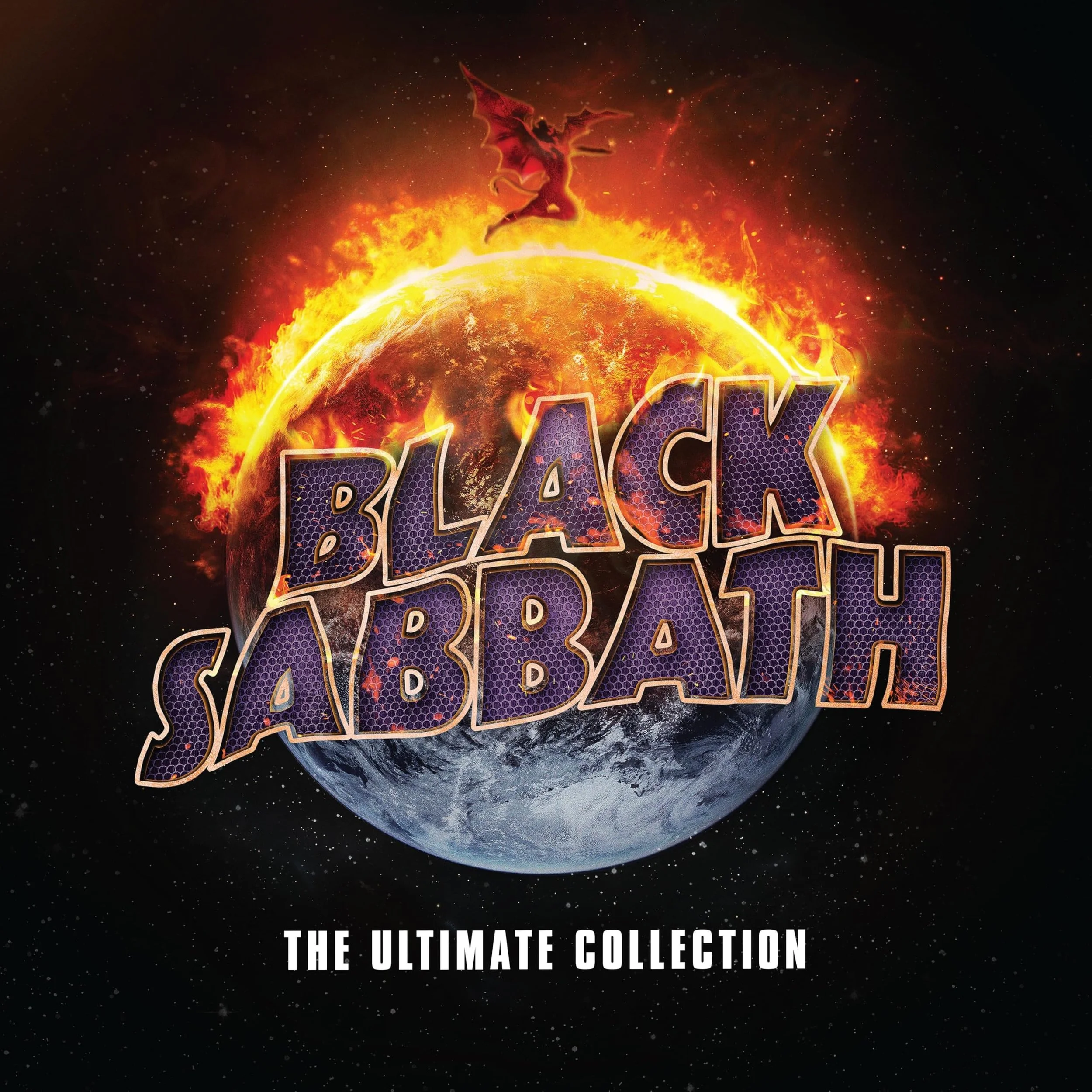
“Fairies Wear Boots” by Black Sabbath
Last time I’ll say this, but another impossible one to narrow down. And to be clear, I’ve loved Black Sabbath since I was 14, first discovering them when the older and guest ballet dancers I was hanging around with were into metal and sneaking out to the alley next to the studio to smoke cigarettes. People really started connecting me to Sabbath through social media about 10 to 11 years ago, when I bought a Vertigo label version of “Master of Reality” from the record store my husband worked at and realized how different it sounded from my Warner Bros. version. From there, I went down a rabbit hole of discovering all the variants and how they were made.
While “Master of Reality” is my most collected (I am up to 56 variants of that one record on vinyl) and favorite Sabbath record, “Fairies Wear Boots” off “Paranoid” is actually one of my all-time favorite songs by them. It has that bluesy jam feel, mixed with that unmistakable Sabbath heaviness. I love this band, and the humans in it, so much. I’m forever thankful the stars aligned and we were able to see Ozzy’s final show in Birmingham, UK. There are no words for the importance and significance that it has for me.
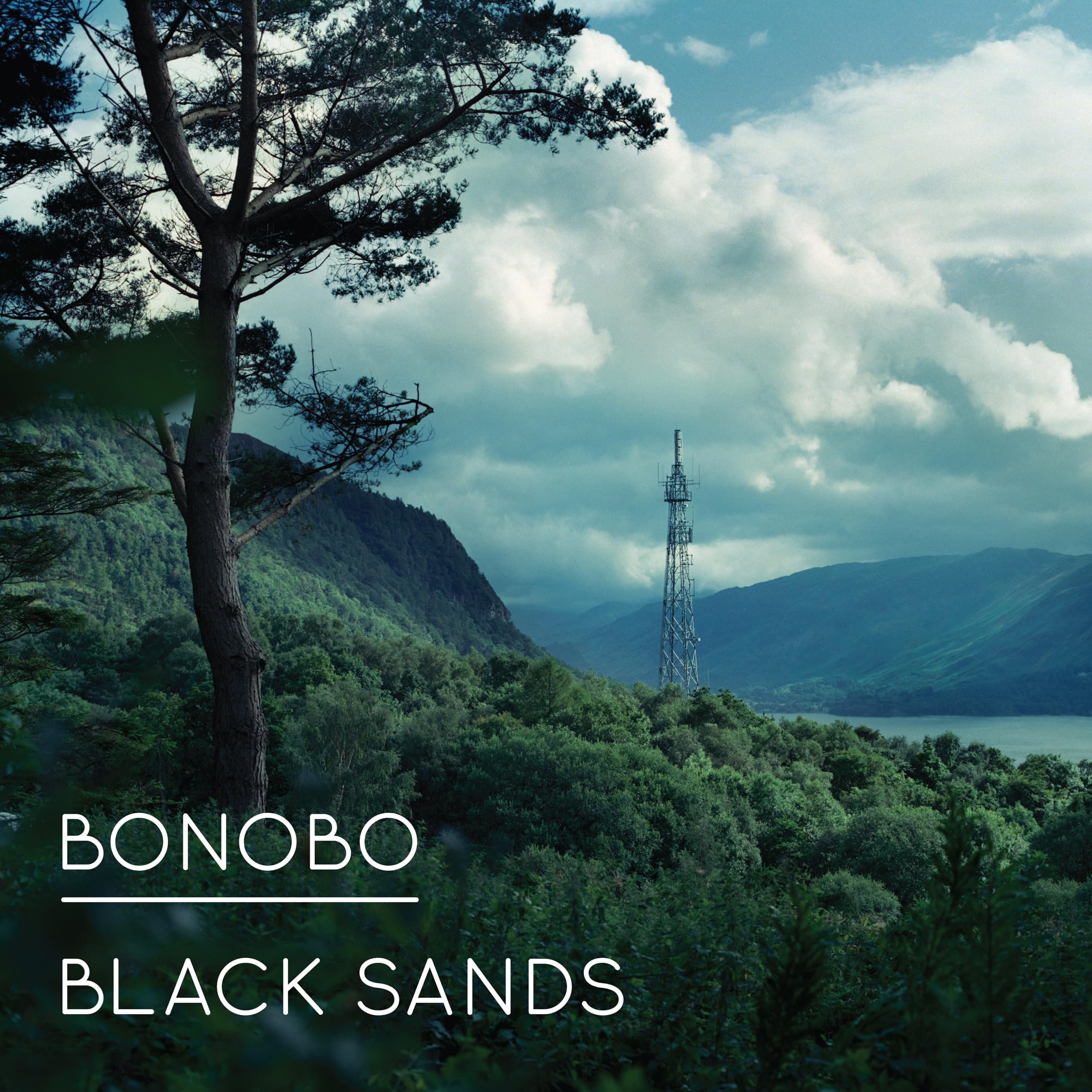
“Black Sands” by Bonobo
A type of music I love, but came to later in life, is downtempo electronic. Artists like DJ Krush, Massive Attack, Tycho, and Thievery Corporation, to name a few. My husband describes my taste in it as “electronic music that doesn’t sound electronic.”
Bonobo is one of my favorites. Every single record. While this isn’t something I discovered early in my musical journey, it’s what brings me a sense of comfort and calm now. I’ve become more introspective these days, especially with the way the world feels lately. When I’m not living in nostalgia, I find myself drawn to Japanese philosophies and ways of thinking—mindsets rooted in simplicity, presence, and reflection—and tracks like “Black Sands” feel like a musical representation of that headspace.